Loading details…

Artist
Les Filles De Illighadad
12+ albums
nigertuaregdesert bluesTishoumarenafrican
about
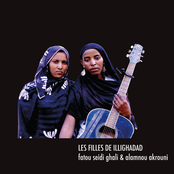
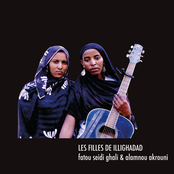
Les Filles are all from Illighadad, a secluded commune in central Niger, far off in the scrubland deserts at the edge of the Sahara. The village is only accessible via a grueling drive through the open desert and there is little infrastructure, no electricity or running water. But what the nomadic zone lacks in material wealth it makes up for deep and strong identity and tradition. The surrounding countryside support hundreds of pastoral families, living with and among their herds, as their families have done for centuries. The sound that defines rural Niger is a music known as “tende.” It takes its name from a drum, built from a goat skin stretched across a mortar and pestle. Like the environs, tende music is a testament to wealth in simplicity, with sparse compositions built from a few elements, vocals, handclaps, and percussion. Songs speak of the village, of love, and of praise for ancestors. It is a music form dominated by women. Collective and communal, tende is tradition for all the young girls of the nomad camps, played during celebrations and to pass the time during the late nights of the rainy season. In the past years, certain genres of Tuareg music have become popular in the West. International acts of “desert blues” like Tinariwen, Bombino, and Mdou Moctar have become synonymous with the name “Tuareg.” But guitar music is a recent creation. In the 1970s young Tuareg men living in exile in Libya and Algeria discovered the guitar. Lacking any female vocalists to