Loading details…

Artist
Langston Hughes
12+ albums
poetryspoken wordpoetamericanmusical theater
about
(February 1, 1902 - May 22, 1967) Born in Joplin, Missouri, James Langston Hughes was a member of an abolitionist family. He was the great-great-grandson of Charles Henry Langston, brother of John Mercer Langston, who was the first Black American to be elected to public office, in 1855. Hughes attended Central High School in Cleveland, Ohio, but began writing poetry in the eighth grade, and was selected as Class Poet. His father didn't think he would be able to make a living at writing, and encouraged him to pursue a more practical career. He paid his son's tuition to Columbia University on the grounds he study engineering. After a short time, Langston dropped out of the program with a B+ average; all the while he continued writing poetry. His first published poem was also one of his most famous, "The Negro Speaks of Rivers", and it appeared in Brownie's Book. Later, his poems, short plays, essays and short stories appeared in the NAACP publication Crisis Magazine and in Opportunity Magazine and other publications. One of Hughes' finest essays appeared in the Nation in 1926, entitled "The Negro Artist and the Racial Mountain". It spoke of Black writers and poets, "who would surrender racial pride in the name of a false integration," where a talented Black writer would prefer to be considered a poet, not a Black poet, which to Hughes meant he subconsciously wanted to write like a white poet. Hughes argued, "no great poet has ever been afraid of being himself." He wrote in thi
top songs
albums
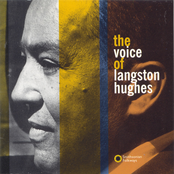
The Voice of Langston Hughes
Langston Hughes Reads Langston Hughes
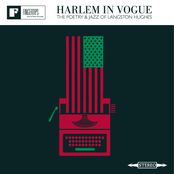
Harlem In Vogue: The Poetry And Jazz Of Langston Hughes
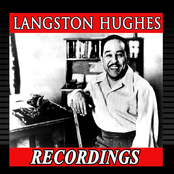
Langston Hughes Recordings
▥
Anthology of Negro Poetry
▥
100 Great Poems - Classic Poets & Beatnik Freaks
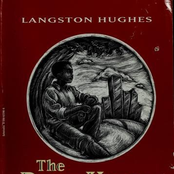
The Dream Keeper and Other Poems of Langston Hughes
The Weary Blues

The Glory of Negro History
▥
Portraits: Works for Flute, Clarinet & Piano
▥
Smithsonian Folkways Children's Music Collection
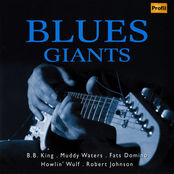
Blues Giants