Loading details…

Artist
Lâm Thúy Vân
12+ albums
about
Lam Thuy Van's real name is Zarina Pohlel. Her father is from Pakistan and her mother is of Chinese ancestry. Her father came to Vietnam to live and met her mother there. Lam Thuy Van was born in Vietnam, but when she was one, her family moved back to Pakistan. When she was 3, her family moved to the United States and settled in Atlanta Georgia. Lam Thuy Van is the only girl in a family of four children. Being from a multilingual family, she can speak Vietnamese, Chinese, Pakistani, and English. Lam Thuy Van has a gift for music. She began singing at quite an early age. In 1991, Lam Thuy Van moved to California where she was helped by Chi Tai while she was singing at Au Baccara Club in southern California. During the same year, Lam Thuy Van was discovered by the management of Asia productions and signed a long term exclusive contract with them. Her career took off immediately after she began to record CDs for Asia. According to Lam Thuy Van, her forte is singing romantic ballads. Her first recording was the song Con Mua Ha, written by Truc Ho which happens to also be her favorite song. Lam Thuy Van has appeared in virtually all of Asias video. Her most notable performance on video was her rendition of Tinh Yeu va Tuoi Tre. She has a very large following and most of her CDs have been a success. Her career has brought her to all four corners of the globe and many stages in the United States. User-contributed text is available under the Creative Commons By-SA License; addit
why this is interesting
# Why This Work Deserves Your Attention This artist's work emerges from a genuinely rare cultural intersection—someone navigating Vietnamese, Chinese, Pakistani, and American influences simultaneously. Rather than treating multilingualism as a background detail, her musicianship reflects this genuine fluency across traditions. Her voice carries the particularity of someone who belongs fully to multiple worlds without needing to choose between them. The album demonstrates how identity shaped through migration and linguistic plurality can generate distinctive artistic expression. She's exploring territory that most Western artists never access, bringing sensibilities rooted in South and East Asian musical traditions into conversation with American contexts. This isn't fusion as trend; it's documentation of authentic lived experience.
top songs
albums
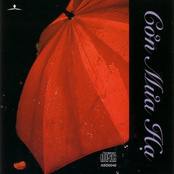
Cơn Mưa Hạ
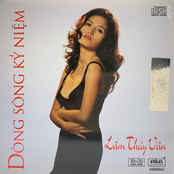
Dòng Sông Kỷ Niệm (Asia 062)
▥
Nhật Trường - Trần Thiện Thanh 2 (ASIA 61)
▥
Tình Đầu Vẫn Khó Phai
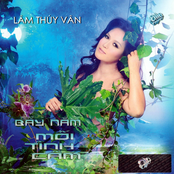
Bảy Năm Mối Tình Câm
▥
Màu Mắt Nhung (Tình Khúc Đức Huy)
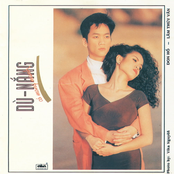
Dù Nắng Có Mong Manh
▥
Lâm Thúy Vân 4 (Đã Qua Thời Mong Chờ)
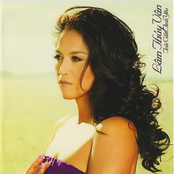
Trái Cấm Tình Yêu
▥
Thà Rằng Anh Nói (Tình Ca Trúc Sinh)
▥
Một Ngày Không Có Anh (Asia CD 053)
▥
Asia #1 Hits