Loading details…

Artist
Karel Berman
12+ albums
Classicalvocaloperacomposerwestern classical music
about
Karel Berman (b. 14 April 1919 in Jindřichův Hradec; d. 11 August 1995 in Prague) was a Jewish Czech opera singer, composer and opera director. After he gained extensive musical education, he started his opera career of bass singer in Opava. Karel Berman was deported to Theresienstadt in March 1943. There, he took part in cultural life as a singer, composer and director. On 11 July 1944, for example, he and Rafael Schächter produced the "Four songs to words of Chinese poetry" by Pavel Haas for the first time. Later he was imprisoned also in Kaufering and Auschwitz. He survived this time in the camps and later became famous as an opera singer. In 1953 he joined to Prague National Theatre opera. He is known also as opera director, he directed more than 70 operas. He worked also as teacher, in 1961-71 he taught at the Prague Conservatory, and since 1964 also at the Academy of Performing Arts in Prague User-contributed text is available under the Creative Commons By-SA License; additional terms may apply.
top songs
1
The Cunning Peasant: Act I, Scene 3 "Very well, then, leave me for him"
72The Kiss
73Poupata - 8. Broucci
64Majove Rano [Original]
65The Cunning Peasant: Act I, Scene 3 "I say, Betuska, what's that supposed to mean"
66Poupata - 1. Májove ráno (baritone & piano)
57Poupata - 2. Lesní studánka
58Poupata (buds) - Four Songs for Bass & Piano: Děti si hrají (Josef Hora)
591938-1945 Reminiscences, Suite for Solo Piano: No. 5, Auschwitz - Corpse Factory
510Poupata - 3. Co se deje pri probuzení
4albums
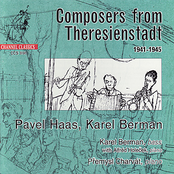
Composers from Theresienstadt - Haas & Berman
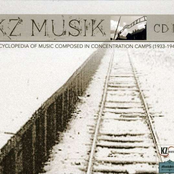
KZ Musik CD 1
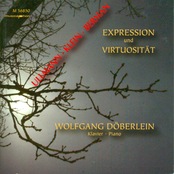
Ullmann, V.: Piano Sonata No. 6 / Klein, G.: Piano Sonata / Berman, K.: Suite for Piano
▥
Dvorak: The Cunning Peasant
▥
Dvořák: Kate and the Devil
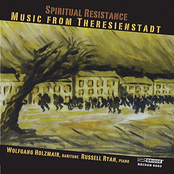
Spiritual Resistence: Music from Theresienstadt
▥
Music From The Holocaust
▥
Composers from Theresienstadt, 1941-1945: Works by Pavel Haas & Karel Berman
▥
Kz Muzik CD 1 - Encyclopedia of Music Compose
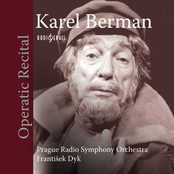
Karel Berman - Operatic Recital
▥
Smetana: The Devil's Wall. Opera in 3 Acts
▥
Mozart : Requiem in D minor, K. 626