Loading details…

Artist
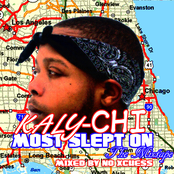
Kaly-Chi
1+ albums
tupachip hoptwistaTech N9nebone thugs and harmony
about
Kaly-Chi (born Tim Jones on May 30, 1981) is an up and coming artist, songwriter, and producer based out of Chicago, IL. Kaly-Chi moved to Los Angeles, CA at the age of 8 and became inspired to rap by Tupac, Scarface, Ice Cube, George Clinton, and Bone Thugs & Harmony. At 11, when Kaly-Chi’s aunt passed away, Kaly-Chi moved back to the westside of Chicago and lived at his aunt old home. Kaly-Chi was home school and began writing poetry about life and the environment that he was living in. The passing of his oldest sister brought out the fire and angry in his rhymes and his raps starting touching people and motivating people to rap. Kaly-Chi started performing at local vendors around town and began making a buzz for himself. In 2001, Kaly-Chi joined the group Sons of Assassin (SOA) and started releasing underground mixtapes. The group was winning talent shows and was on local television as well. Due to personal differences, the group split and Kaly-Chi and Felony of SOA formed the group C.H.I. (Cold Hearted Individual).With the new group, Kaly-Chi was signed with D-LUX Entertainment. While under the label, C.H.I. was working on their debut album All Work and No Play; the album was never released due to label and artists differences. Since the album was not going to be release, Kaly-Chi left D-LUX Entertainment and took a break from rap. During his break from rap, Kaly-Chi was still writing songs but discouraged and unmotivated to rap again. In 2009, Kaly-Chi met up with Sen Be
why this is interesting
This project warrants attention for its unflinching emotional specificity and the way it transforms personal loss into broader reflection. The work emerges from genuine hardship—displacement, grief, systemic struggle—yet resists simple catharsis or complaint. Instead, it channels these experiences through careful lyricism and production choices that honor both hip-hop tradition and individual voice. What distinguishes this album is its commitment to specificity over generalization; the listener encounters not abstract struggles but the texture of particular lives, environments, and moments. The craft throughout suggests an artist genuinely interested in craft itself—in how words fit together, how production shapes meaning, how honesty and artistry need not conflict.