Loading details…

Artist
Junior Wells & The Aces
9+ albums
lautfm bluesclubbluesBRC Blues BandBRC Blues Band KarlsruheWalter Buddy Freter
about
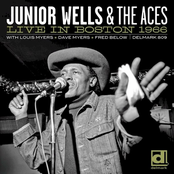
In the mid to late 1960s blues musicians hoping to appeal to a wider audience were starting to broaden the definition of their sound by incorporating elements of the more pop oriented funk, soul and R&B genres. Young, white, and predominately British, musicians had been mining blues back catalogues to churn out rock and roll hits since the the early part of the decade, with the result that the music's originators were far too often left out in the cold. While the home of electric urban blues, Chicago, was still home to clubs where the blues was welcomed and appreciated, players travelling outside that base faced a tough challenge finding audiences willing to listen to their music. It took a performer with a particular force of personality and presence to bring an audience out for a night of blues. Junior Wells had been part of the blues scene in Chicago since the 1950s as both a solo performer and a member of Muddy Waters' band. In the 1960s he, like so many others, began to adopt elements of popular music and had some success with younger audiences. His 1965 recording Hoodoo Man Blues, was a surprise best selling album and its mixture of blues feelings and contemporary funk seemed to indicate that he was moving away from his roots permanently. Yet, the following year saw him going on tour backed up by the trio he had first gained renown with back in the 1950s, The Aces. Made up of the brothers Louis and Dave Myers, on guitar and and bass respectively, and Fred Below on drum