Loading details…

Artist
Jukka Leppilampi
12+ albums
70s80sacousticsinger-songwriterfinland
about
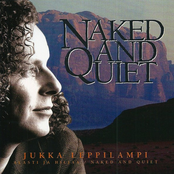
Jukka Leppilampi (born in 1954) is one of the most traditional Finnish gospel artists. Leppilampi has among other things sung in Finnforest-orchestra before joining Tabula Rasa. After in 1976 published "Ekkedien tanssi" (Ekkedie's Dance) album Leppilampi parted Tabula Rasa. After parting Tabula Rasa Leppilampi performed as a duo with Jarmo Sormunen for a while. In 1980 Jukka paid a visit in Pro Fide's album as a singer of the song "Lauluja kahdesta maailmasta" (Songs from two worlds). After the visit he was almost fully taken up by his solo career. Jukka is a frequent visitor to the annual Christian Artists Seminar near Utrecht in Holland. He currently specializes in what he calls Voice Music - something akin to the music of Native Americans. He has also written soundtrack music. He hasn't released any English CD's since "Naked & Quiet" but has more recent recordings in Finnish. Discography: * Tabula Rasa: Tabula Rasa 1975 Love Records * Tabula Rasa: Ekkedien tanssi 1976 Love Records * Katso (with Jarmo Sormunen) 1979 Uusi tie * Pro Fide: Lauluja kahdesta maailmasta (A visitor) 1980 Finngospel * Sateenkaari (with Jarmo Sormunen) 1981 Uusi tie * Tulkoon elämä 1982 Uusi tie * Minä ihminen 1983 Uusi Tie * Iankaikkinen elämä/Matkalla (single) 1984 Moment Music * Minun käteni soi (With Outi Terho) 1986 Finngospel * Nyansseja (Maxi EP) 1989 Finngospel * Siivet/Laula ihmisille (single) 1990 Finngospel * Naked and Quiet 1998 Humble
why this is interesting
# Why Jukka Leppilampi Merits Consideration This work represents a pivotal moment in Finnish gospel music, capturing an artist at a creative crossroads. What distinguishes it is Leppilampi's willingness to explore the tension between traditional gospel idiom and contemporary arrangements—a negotiation few Finnish artists of that era attempted so openly. The album documents not merely songs but a philosophical inquiry into how spiritual expression could evolve without abandoning its roots. His vocal approach, grounded in authentic devotion rather than technical display, creates an intimate listening experience that rewards attention. For those interested in how regional folk traditions intersect with modern religious music, this work offers genuine insight into a less-documented chapter