Loading details…

Artist
Jubal Kane
12+ albums
blues rockbluesdrive my carharmonica blues
about
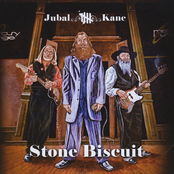
Jubal Kane released their first album, Live Blues, October 2005 and was nominated for “Best Emerging Blues Artist 2005” by the King Biscuit Blues Festival, Helena, AR. "The Allman Brothers at their bluesy best, and you've got an idea of the down-and-dirty grit of a Jubal Kane show. It's all swagger and bombast, the blues as interpreted by Bo Diddley and John Lee Hooker at their meanest." Steve Wildsmith The Daily Times, Maryville, TN. "You really don't wanna miss this blues band, from the hot harp playing to the gritty guitars. They are the shit." The Empty Glass, WV. Harmonica Player and singer Ace Andersson has played the blues from the Mississippi Delta through Memphis, TN to North Carolina, where he now resides. Lead Guitarist and singer Otis Thomas, native of Illinois. Came to Charlotte through a couple of years of playing in Texas. Rhythm Guitarist/Bass player and singer B.W. Carrigan. Drummer Kurt Skirt is the engine of this Rock n Roll locomotive. Jubal Kane has come together in a band that is unique while holding true to the blues. "a raw, song-oriented approach to the blues, reminiscent of Mayall's Bluesbreakers, Muddy Waters and Stevie Ray Vaughn. Featuring the electrifying trade-off of Ace Anderson on harmonica and Otis Thomas on lead guitar....its throwback, rough-edged sound makes it one of the more vital blues acts in the country." Chris Humpage, Savannahnow.com User-contributed text is available under the Creative Commons By-SA License; additional terms may a
why this is interesting
# Jubal Kane This blues ensemble merits consideration for its unapologetic return to the genre's rawer foundations. Rather than polish or modernize traditional blues, they channel the unvarnished intensity of its architects—the grit of John Lee Hooker's rhythmic authority and Bo Diddley's swagger. The harmonica work proves particularly compelling, driving songs with the kind of aggressive vulnerability that defines classic blues expression. Their 2005 debut demonstrates musicians uninterested in compromise, treating the form as a living practice rooted in honest emotion rather than nostalgic recreation. For listeners seeking blues that prioritizes authenticity over accessibility, their work repays close attention.