Loading details…

Artist
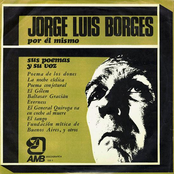
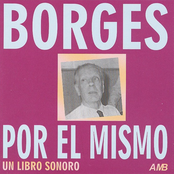
Jorge Luis Borges
12+ albums
poetryJorge Luis Borgesnostalgicmelancholyelegant
about
Jorge Francisco Isidoro Luis Borges (24 August 1899 – 14 June 1986), known as Jorge Luis Borges (Spanish: [ˈxorxe ˈlwis ˈborxes]), was an Argentine short-story writer, essayist, poet and translator born in Buenos Aires. His work embraces the "character of unreality in all literature". His most famous books, Ficciones (1944) and The Aleph (1949), are compilations of short stories interconnected by common themes such as dreams, labyrinths, libraries, mirrors, animals, fictional writers, philosophy, religion and God. His works have contributed to philosophical literature and also to both the fantasy and magical realism genres. The magical realism genre reacted against the realism/naturalism of the nineteenth century. In fact, critic Ángel Flores, the first to use the term, set the beginning of this movement with Borges's A Universal History of Infamy (1935). Scholars have also suggested that Borges's progressive blindness helped him to create innovative literary symbols through imagination. His late poems dialogue with such cultural figures as Spinoza, Camões, and Virgil. In 1914 his family moved to Switzerland, where he studied at the Collège de Genève. The family travelled widely in Europe, including stays in Spain. On his return to Argentina in 1921, Borges began publishing his poems and essays in surrealist literary journals. He also worked as a librarian and public lecturer. In 1955 he was appointed director of the National Public Library and professor of Literature at the