Loading details…

Artist
Johnnie Johnson Band
12+ albums
Rock and RolljazzUSAblues50s
about
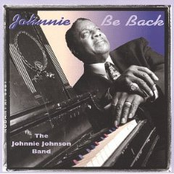
For 28 years legendary piano player Johnnie Johnson worked as a sideman to one of rock & roll's most prominent performers, Chuck Berry. Berry joined Johnson's band, the Sir John Trio, on New Year's Eve 1953, and afterward Berry took over as the group's songwriter and frontman/guitar player. On the strength of a recommendation from Muddy Waters and an audition, Berry got a deal with Chess Records. Johnson's rhythmic piano playing was a key element in all of Berry's hit singles, a good number of which Johnson arranged. Although Berry has been reluctant to admit as much, Johnson is widely regarded to be the inspiration for one of Berry's biggest hits, "Johnny B. Goode." The pair's successful partnership lasted a lot longer than most rock & roll partnerships last these days. Johnson was born July 8, 1924, in Fairmont, WV, and he began playing piano at age five, thanks to his mother, who provided the funds to purchase one and encouraged the young Johnson's interest. His parents had a good collection of 78-rpm records, including items by Bessie Smith and Ethel Waters. In his teens, he listened to the radio broadcasts of big bands, and taught himself based on what he heard from the likes of Art Tatum, Earl "Fatha" Hines, and Meade "Lux" Lewis. Johnson's goal in all of this listening and playing in his teenage years was to come up with his own distinctive style. His own somewhat ailing career got a shot in the arm with the Chuck Berry concert film Hail! Hail! Rock 'n' Roll, and by h
why this is interesting
# Why This Album Matters This record documents a pivotal but often-overlooked partnership in rock and roll history. For nearly three decades, Johnnie Johnson's rhythmic piano arrangements shaped Chuck Berry's sound, yet Johnson's contribution remained largely uncredited and unrecognized during his lifetime. This album offers an opportunity to hear Johnson reclaim his voice as bandleader and composer, revealing the foundational musical ideas that defined an era. What emerges is not merely a historical correction, but a chance to experience how differently rock and roll might have sounded had one man's artistry been properly centered from the beginning. It's an invitation to listen more critically to the origins of a genre.