Loading details…

Artist
J.B. Lenoir
12+ albums
bluesChicago Bluessinger-songwriterguitarfolk
about
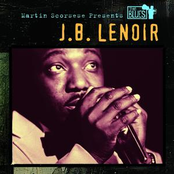
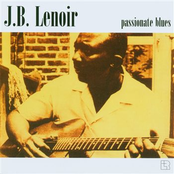
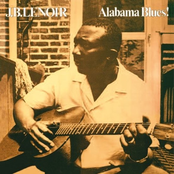
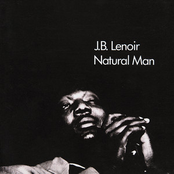
J. B. Lenoir /ləˈnɔːr/ (Monticello, Mississippi, March 5, 1929 – Urbana, Illinois, April 29, 1967) was an African American blues guitarist and singer-songwriter, active in the 1950s and 1960s Chicago blues scene. Lenoir's guitar-playing father introduced him to the music of Blind Lemon Jefferson, whose music became a major influence. During the early 1940s, Lenoir worked with blues artists Sonny Boy Williamson II and Elmore James in New Orleans. Lenoir would eventually find musical influence in Arthur Crudup and Lightnin' Hopkins. In 1949, he moved to Chicago and Big Bill Broonzy helped introduce him to the local blues community. He began to perform at local nightclubs with musicians such as Memphis Minnie, Big Maceo Merriweather, and Muddy Waters, and became an important part of the city's blues scene. He began recording in 1951 the J.O.B. and Chess Records labels. His recording of "Korea Blues" was licensed to and released by Chess, as having been performed by 'J. B. and his Bayou Boys'. His band included pianist Sunnyland Slim, guitarist Leroy Foster, and drummer Alfred Wallace. During the 1950s Lenoir recorded on various record labels in the Chicago area including J.O.B., Chess, Parrot, and Checker. His more successful songs included "Let's Roll", "The Mojo" featuring saxophonist J. T. Brown, and the controversial "Eisenhower Blues" which his record company, Parrot, forced him to re-record as "Tax Paying Blues." Lenoir was known in the 1950s for his showmanship - in part