Loading details…

Artist
Júlio Pereira
12+ albums
folkPortugalportuguesesinger-songwritercantores de abril
about
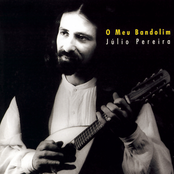
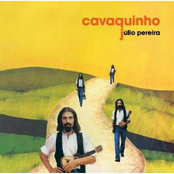
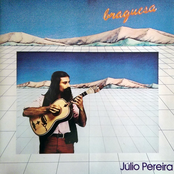
In his thirty year career as a multi-instrumentalist, a composer and a producer, Júlio Pereira has always guided his artistic endeavors by a sense of the universality of cultural manifestations. This in no way contradicts the importance of his work in the context of Portuguese folk music, or the importance of an adequately ethnic appreciation of both its sounds and its roots. In fact, his work has always strived to incorporate Portuguese tradition into the aesthetic currents that have characterized a varied succession of “contemporaneities”. Thus his oeuvre, comprising 15 LPs, starts by reflecting the importance of musical innovation during the 60s and 70s and proceeds to devote itself to a fresh recuperation of the “quasi lost” sounds of traditional instruments — most typically exemplified by Cavaquinho (1981), Braguesa (1982) and O meu bandolim (1992). He has also worked towards a synthesis of traditional sounds with new and ever-changing accoustic possibilities — an interest that was to be particularly apparent in the 90s, and is especially well-documented in Rituais (2000). As a result of all this, Júlio Pereira has risen to the stature of a major figure in the world of Portuguese music of the second half of the twentieth century. Although his work has not been primarily concerned with putting words to music, a discriminating poetic sensibility has recently inspired him to produce a record — entitled Faz-de-conta (Make-Believe) — where a number of first-rate Portuguese