Loading details…

Artist
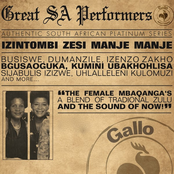
Izintombi Zesi Manje Manje
12+ albums
africanworldsouth africanmbaqangavintage african
about
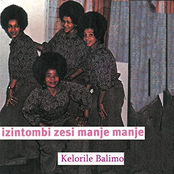
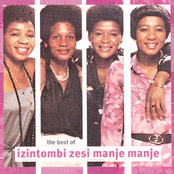
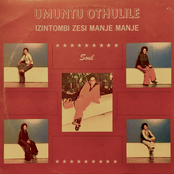
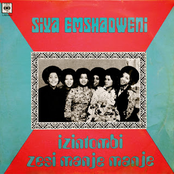
Izintombi Zesi Manje Manje was formed in late 1967 as a direct response to the success of Rupert Bopape's Mahotella Queens over at Gallo. The founding members were Sannah Mnguni, Francina "Thopi" Mnguni, Nomvula "Nunu" Maseko and Thoko Khumalo. Almost immediately, the line-up found popularity with classic hit singles like "Uyawuz' Umoya Makoti", "Pendula Magwala" and "Is'dudla Sik' Joseph", the latter being their first really big hit. Hamilton Nzimande was the only producer who managed to build up a roster of musicians that seriously challenged Bopape's Mavuthela. Nzimande's own stable within the Gramophone Record Company was called Isibaya Esikhulu, the "big kraal". Sannah, the singer whose earthy and soft contralto voice provided Izintombi Zesi Manje Manje with a unique and distinct identity very quickly, left the group after only a year. She moved over to Troubadour Records, which was on the cusp of being swallowed into Teal-Trutone. Sannah joined the famous and popular mbaqanga female group The Sweet Sixteens, which was led by the beautiful and serene harmony of Irene Mawela. Sannah was not the only one to join Troubadour. Bhekitshe Shabalala, the man who was to Izintombi Zesi Manje Manje what Mahlathini was to the Mahotella Queens, also followed. Irene, Sannah and Bhekitshe harmonised together until around 1970, when Sannah rejoined her old bandmates in Izintombi Zesi Manje Manje, bringing with her a junior Sweet Sixteen by the name of Jane Dlamini. Some more successfu
why this is interesting
# Izintombi Zesi Manje Manje This ensemble merits attention for exemplifying a pivotal moment in South African popular music—one where regional competition drove genuine artistic innovation rather than mere imitation. Emerging in direct response to rival success, the group developed a distinctive vocal approach within the mbaqanga tradition, balancing intricate harmonies with rhythmic precision. Their work reveals how producer Hamilton Nzimande cultivated an alternative ecosystem of talent that challenged established commercial dominance through craft rather than resources alone. The recordings document not just entertainment but a cultural conversation between competing visions of township sound, offering insight into how musical communities negotiate identity and influence during periods of constraint.
you might also explore
▤Books
▧Games
▣Movies
▦TV