Loading details…

Artist
Inna Zhelannaya
12+ albums
ambientpsychedelicfolkfemale vocalistspsychedelic folk
about
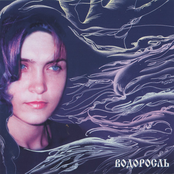
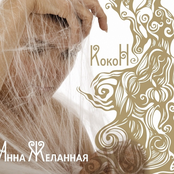
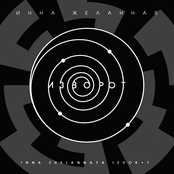
INNA ZHELANNAYA (rus. - Инна Желанная) Musicians of the fabulous rock-band “Alliance” which was popular in Russia in 80-s and early 90-s made up a core of a band, created by Inna Zhelannaya in 1994. Music produced by the band couldn’t be defined by familiar genres’ peculiarities – it combined the elements of different rock streams, Russian folklore and other ethnic practices. Rock rhythm-section with strong drums, energetic electric guitar and transcendent sound of unique fretless 6-string bass, the usage of electronic devices, vivid wind-instruments range – all these indicated special band’s sound. In 1989 Inna begun her co-operation with a rock-band “Alliance”. At the same time she took interest in folk songs and melodies, with witch she came across due to Sergey Starostin – one of the best Russian folk and jazz musicians, a singer and multiinstrumentalist. Soon afterwards Starostin joined the “Alliance” and brought strong ethnic element to its’ music. In 1991 the first album “Sdelano V Belom” (“Made In White”) appeared and contained four remarkable singles by Inna Zhelannaya, which are often played during concerts in differentversions: “Tol’ko S Toboy” (“Only With You”), “Dal’she, Dal’she” (“Farther, Farther”), “Do Samogo Neba” (“Up To The Sky”), “Sestra Moya Noch” (“My Sister Night”). In 1994 the album “Sdelano V Belom” (“Made In White”) got Radio France International Grand Prix as “Best Pop And Rock Music In The East” and within the invitation of French radio “Alliance”
why this is interesting
# Why This Album Merits Attention This project represents a fascinating cultural intersection: musicians from Russia's legendary 1980s rock scene reimagining their identity in the post-Soviet era. What distinguishes the work is its genuine refusal of categorical boundaries—rather than positioning rock and Russian folklore as opposing forces, the band weaves them into an organic whole. The production choices reveal careful intentionality: the fretless bass creates an almost vocal quality that bridges traditional and contemporary sensibilities, while the orchestration suggests conversation between epochs. For those interested in how artists navigate cultural transformation, or how rock music can authentically incorporate non-Western musical traditions without appropriation, this album offers substantive material worth exploring.