Loading details…

Artist
Harry "The Hipster" Gibson
12+ albums
jazzpianorhythm and bluesamericanragtime
about
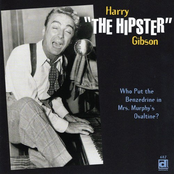
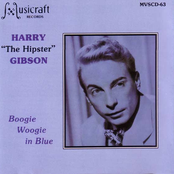
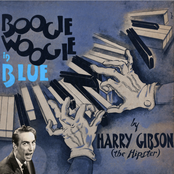
Harry "The Hipster" Gibson (June 27, 1915-May 3, 1991) was a jazz pianist, singer, and songwriter. Gibson played New York style Stride piano and boogie woogie while singing in an unrestrained, wild style. His music career began in the late 1920s, when he played stride piano in Dixieland jazz bands in Harlem. He continued to perform there throughout the 1930s, adding the barrelhouse boogie of the time to his repertoire, and was discovered by Fats Waller in 1939. Between 1939 and 1945, he played at various Manhattan jazz clubs on 52nd Street ("Swing Street"), most notably the Deuces, run by Leon Enkin and Eddie Davis. In the 1940s, Gibson was known for writing unusual songs, which are considered ahead of their time. He was also known for his unique, wild singing style, his energetic and unorthodox piano styles, and for his intricate mixture of a hardcore, gutbucket boogie rhythms with ragtime, stride and jazz piano styles. Gibson took the boogie woogie beat of his predecessors, but he made it frantic; similar to the rock and roll music of the 1950s. Examples of his wild style are found in the songs "Riot in Boogie" and "Barrelhouse Boogie". An example of his strange singing style is in the song "The Baby and the Pup." Other songs that Gibson recorded were "Handsome Harry, the Hipster", "I Stay Brown All Year 'Round", "Get Your Juices at the Deuces", and "Stop That Dancin' Up There." Gibson recorded a great deal, but there are very few visual examples of his act. However, in N
why this is interesting
# Why Harry "The Hipster" Gibson Merits Attention Gibson's work deserves consideration for its uncompromising fusion of technical virtuosity and raw emotional expression. His stride piano technique, refined through Harlem's competitive jazz scene, demonstrates remarkable compositional sophistication—yet he deliberately paired this craft with deliberately unpolished vocals and irreverent lyrics that challenged musical decorum. This tension between mastery and abandon proves historically significant: Gibson inhabited a liminal space between the formality of early jazz traditions and the emerging countercultural sensibilities that would define postwar American music. His willingness to prioritize authenticity over refinement offers a compelling counterpoint to more commercially sanitized jazz contemporaries, revealing
top songs
1
Who Put The Benzedrine In Mrs. Murphy's Ovaltine?
1,5362Who Put the Benzedrine in Mrs. Murphy's Ovaltine
9263They Call Him Harry The Hipster
5274Who Put The Benzedrine In Mrs Murphy's Ovaltine
1785I Wanna Go Back To My Little Grass Shack
1476Hey Man! You Just Made My Day
1457I Got Framed
1238I Flipped My Wig In San Francisco
1159Handsome Harry The Hipster
10310Who Put the Benzedrine in Mrs Murphy's Ovaltine?
103