Loading details…

Artist
Grupo Rumo
12+ albums
brazilvanguarda Paulistabrazilianbrasilmpb
about
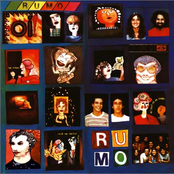
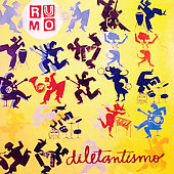
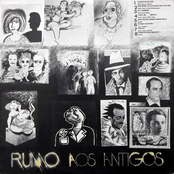
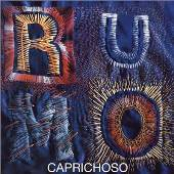
In 1974, a group of students of the Arts and Communication College (ECA) of the University of São Paulo (USP) teamed up under the concept of developing a new approach to MPB. Centered in a colloquial interpretation (in reality, spoken speech "melody") for classic hits and their own material, they mixed elements of pop music with Brazilian rhythms and high doses of philosophical humor. Grupo Rumo was Akira Ueno (bass), Ciça Tuccori (piano), Fábio Tagliaferri (viola), Gal Óppido (drums), Geraldo Leite (vocals), Hélio Ziskind (brass), Luiz Tatit (vocals/violão and the main composer), Ná Ozzetti (joining the group in 1979, vocals), Paulo Tatit (electric guitar/vocal), Pedro Mourão (vocal/violão/percussion), Ricardo Breim (keyboards/vocal), and Zecarlos Ribeiro (vocal/percussion). In its second phase in 1977, the group focused in the re-creation of less-known classic Brazilian music from songs by Noel Rosa, Lamartine Babo, Sinhô, and other composers. The overall result of their efforts was released on two independent albums in 1981: Rumo and Rumo Aos Antigos, their best albums. In spite of the chronic bad distribution of alternative releases, they managed to sell 20,000 copies and were awarded by APCA (São Paulo's association of Art critics) as Best Vocal Group and Best Instrumental Group of 1981. Their third album, Diletantismo, had the hit "Ladeira da Memória." Caprichoso (1985) was lauded by the critics, and they followed with successful live performances. Containing the hit