Loading details…

Artist
Greek Gypsy Musicians
10+ albums
GreekfolkethnicworldGypsy
about
Greek Gypsies, also called Tsiganes, are part of the ethnic group known as Roma. The Roma are a distinct ethnic minority whose origins began on the Indian subcontinent over one thousand years ago. Why the Roma left India is clouded in uncertainty, yet they entered southeastern Europe in the last quarter of the 13th Century. Because they arrived in Europe from the East, they were thought by the first Europeans to be from Turkey, Nubia or Egypt, or any number of non-European places. They were called, among other things, Egyptians or 'Gyptians, which is where the word "Gypsy" comes from. The language spoken by the Roma is called Romani. It is closely related to the Sanskrit from which all modern Indo-Aryan languages are derived. Most Greek Roma are indigent, living either as nomads seeking seasonal employment, or in makeshift settlements with no infrastructure whatsoever, like the one you may have passed in the Ropa Valley. Living in a legal limbo, Gypsy populations attempting to settle down have repeatedly faced social predjudice and harassment. In recent years, as land has become more expensive, forced and often illegal evictions of Gypsies from long-standing settlements by order of municipal authorities have become more frequent. Their access to the network of social services - such as education, health and social security - is also limited. It is estimated that 80% of Greek Gypsies, most of whom speak the Romani language, are illiterate. In the folk musicians world the Gyp
you might also explore
▤Books
▧Games
▣Movies
▦TV
top songs
albums
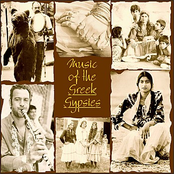
Music of the Greek Gypsies
▥
Turkboardmusic World & Ethnic Hits Vol.2
▥
Turkboardmusic World & Ethnic Hits Vol
▥
Music of greek gypsies
▥
Turkboardmusic World & Ethnic
▥
The Greek Folk Instruments: Clarinet
▥
V.A. Turkboardmusic World & Ethnic Hits Vol.2
▥
Chants 101
▥
Guillaume de Machaut & Le Codex Faenza (Musiques des XIVe et XVe siècles)
▥
The Catholic Music Project 15: Reflections