Loading details…
G
Artist
George W Johnson
12+ albums
about
George W. Johnson may not be a household name, but he has a singular place in music history -- the former slave and New York City street performer is, according to most accounts, the very first African-American recording artist. The phonograph, or "talking machine," had been invented by Thomas Edison only few years before Johnson tracked a rendition of "The Whistling Coon," a racist minstrel song. That recording helped give birth to what we now know as the record industry. At the time, there was no electronic amplification of a singer's voice -- artists all but shouted into a cone-shaped device, and the sound waves moved a needle etching a rotating drum of hard wax. Johnson's story is featured in Lost Sounds: Blacks and the Birth of the Recording Industry, 1890-1919, a new book and companion CD compiled by archivist Tim Brooks. Brooks doesn't believe Johnson resisted singing the racist tune. picture User-contributed text is available under the Creative Commons By-SA License; additional terms may apply.
top songs
albums
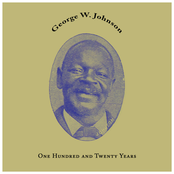
One Hundred and Twenty Years
▥
Phono-Cylinders, Vol. 2: Edited and from the Collection of George A. Blacker
▥
Lost Sounds: Blacks and the birth of the recording industry 1891-1922
▥
Lost Sounds: Blacks And The Birth Of The Recording Industry - 1891-1922
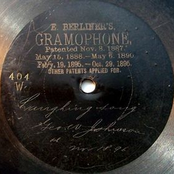
The Laughing Song
▥
1 1891 Monarch (Victor)-583
▥
The Laughing Coon
▥
Gramophone Daze, Vol. 3
▥
Blacks And The Birth Of The Recording Industry 1891-1922 (disc 1)
▥
Negro Laughing Song
▥
Edison Gold Moulded Record: 4005
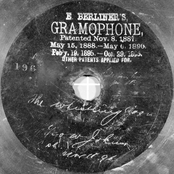
The Whistling Coon