Loading details…

Artist
Georg Philipp Telemann
12+ albums
baroqueClassicalgermancomposercomposers
about
Georg Philipp Telemann (24 March 1681 – 25 June 1767) was a German Baroque composer and multi-instrumentalist. He is among the most prolific composers in history in terms of surviving works. During his lifetime, Telemann was regarded as one of the leading German composers and was favourably compared to both Johann Sebastian Bach and George Frideric Handel, whom he knew personally. Bach named his son Carl Philipp Emanuel after Telemann, who was also the child's godfather. Mostly self-taught in music, Telemann pursued a career in composition despite his family's opposition. After studying in Magdeburg, Zellerfeld, and Hildesheim, he enrolled at the University of Leipzig to study law but ultimately focused on music. He held significant musical positions in Leipzig, Sorau, Eisenach, and Frankfurt before settling in Hamburg in 1721, where he became the musical director of the city's five main churches. While his professional career was successful, his personal life was marked by difficulties, including the early death of his first wife and the departure of his second wife after extramarital affairs and gambling debts. Telemann composed a substantial amount of music for educating organists, including 48 chorale preludes and 20 small modal fugues to accompany his harmonisations of approximately 500 hymns. His music blends French, Italian, and German national styles, and at times reflects influences from Polish popular music. He was known for adopting new musical trends and his wor
top songs
albums
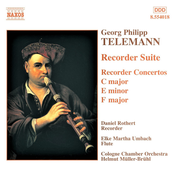
TELEMANN: Recorder Suite / Recorder Concertos
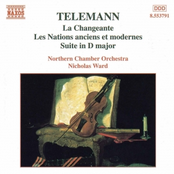
TELEMANN: La Changeante / Les Nations Anciens et Modernes
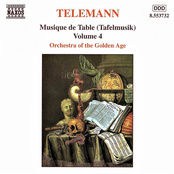
TELEMANN: Musique de Table (Tafelmusik), Vol. 4
Matthaus - Passion 1746 (St. Matthew Passion)
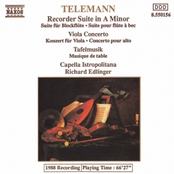
TELEMANN: Viola Concerto / Recorder Suite in A minor / Tafelmusik
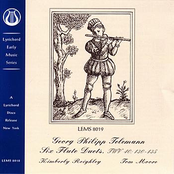
Telemann Flute Duets
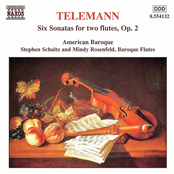
TELEMANN: 6 Sonatas for Two Flutes without Bass
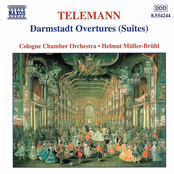
TELEMANN: Darmstadt Overtures (Suites)
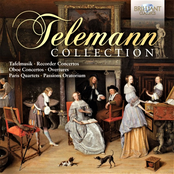
Telemann collection
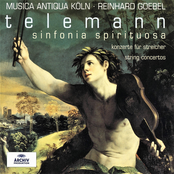
Telemann: Sinfonia spirituosa; String Concertos
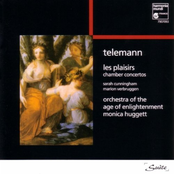
Les Plaisirs, Chamber Concertos
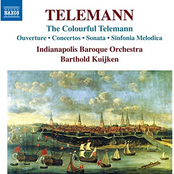
The Colorful Telemann