Loading details…

Artist
Ge Gan-ru
12+ albums
contemporary classicalchinesecomposerClassicalJuma
about
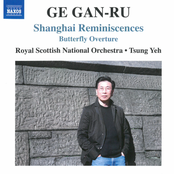
http://www.geganru.com/ Ge Gan-ru, described in The New Grove Dictionary of Music and Musicians as ‘China’s first avant-garde composer’, is regarded as one of the most original composers of his generation. His music is known for its immediately identifiable individualism and unique sound. Ge’s life is the product of momentous circumstances. Born in Shanghai in 1954, he studied violin when he was young but never intended to become a musician. In 1966, when he was 11 years old, the Cultural Revolution broke out. As all schools were closed, he spent most of his time practicing violin at home. Western music was strictly forbidden, so he had to practice on a muted violin with windows closed and sealed. At 17, he was sent to a labor camp to receive “re-education” where unexpectedly he met and became a pupil of one of the best violin teachers in China who was also forced into hard labor at the camp. After a year of planting rice in the fields, Ge was summoned to play violin in an ensemble, entertaining fellow workers with revolutionary songs every night. However, Ge showed a great interest in arranging music for the ensemble in spite of a lack of training in music theory. When Ge was 20, the Shanghai Conservatory of Music reopened and he was admitted as a violin student. But in the next three years while he was studying violin, he had an increasing urge to be a composer. He eventually transferred to the Composition Department where he studied for another four years. After graduati
top songs
1
Chinese Rhapsody
572Yi Feng (Lost Style)
243Four Studies of Peking Opera - II. Aria
234Four Studies of Peking Opera - IV. Clown Music
185Fairy Lady Meng Jiang - II. Gourd Girl
166Fairy Lady Meng Jiang - I. Savage Land
157Fairy Lady Meng Jiang - III. Abduction
158Four Studies of Peking Opera - I. Prologue
149Six Pentatonic Tunes for Orchestra - I. Largo
1410String Quartet No.4 'Angel Suite' - III - Prayer
14