Loading details…

Artist
Gary Lewis
12+ albums
oldies60stwo or more artists with the same nameAll
about
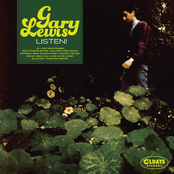
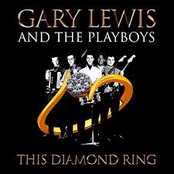
1) It would be difficult to find a rock & roll star -- and that was what he was for two years in the mid-'60s -- less likely than Gary Lewis, or a less probable chart-topping act than Gary Lewis & the Playboys. Lewis himself was possessed of a limited singing range and didn't have what could be considered good looks, yet with a lot of help he managed to make some exceptionally good (and good-selling) records out of Los Angeles, in the midst of the British Invasion, and teenagers loved him. He was the son of actor/comedian/director/producer Jerry Lewis, who was then one of the most popular entertainers in the country. Gary Lewis was born in 1946, before his father's ascent to the top of the entertainment world, but by the time he reached his teens -- and had begun playing drums and leading a combo of his own, which included Dave Walker on rhythm guitar and Dave Costell on lead, Al Ramsey on bass, and John West on the cordovox (a kind of electric accordion) -- Jerry Lewis was a major star and one of the hottest box office and television attractions in the world. He could get a television series on the air, and networks and sponsors opening their checkbooks to back it, just by indicating he wanted to do one, and get a movie made by writing -- or just okaying -- a script. If he had any peer in the business in those days, it was Frank Sinatra. The younger Lewis and his band got a gig during the summer of 1964 playing at Disneyland, and that engagement, coupled with some urging by
why this is interesting
# Gary Lewis & the Playboys This project merits examination for how it reveals the mechanics of mid-1960s pop craftsmanship during a moment of seismic cultural shift. Despite possessing neither conventional star qualities nor technical advantages, Lewis and his collaborators engineered a string of sophisticated productions that resonated with millions—a reminder that commercial success often depends less on individual talent than on timing, arrangement, and collaborative vision. Their work illuminates how established entertainment industries adapted to rock's ascendance, and how production values could compensate for modest vocal abilities. The records themselves demonstrate meticulous studio engineering and melodic sophistication that rewards careful listening, offering insight into an often-overlooked chapter of American pop