Loading details…

Artist
Francesco Currà
5+ albums
Avant-Gardeexperimentalitalianindustrialproto-industrial
about
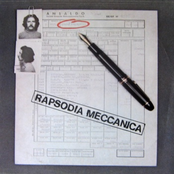
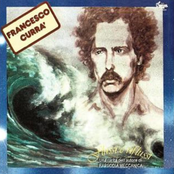
Francesco Currà – born in Calabria, in the deep south of Italy – used to work at a milling machine at the Ansaldo, a huge heavy metal industry in Genoa. He was a poet, too. He was 29 when he was granted by independent label Ultima Spiaggia the opportunity to team up with Roberto Colombo, Flaviano Cuffari and other great musicians to realize "Rapsodia meccanica" (“mechanical rhapsody”): not simply a concept album about life in a factory, but a kind of a fantastic voyage through the alienated mind of a chain worker. The music was based on the same Currà’s field recordings of the Ansaldo’s machines (his co-workers are credited as musicians), turned into gloomy drones and obsessive rythm patterns with the help of Roberto Colombo, under whose artistic direction some acoustic and electronic instrumental contributions were also added. On top of this sounds layers, Currà screamed his expressionistic yet iperrealistic verses of rage, contempt, fear and sorrow. We’re not having here a middle class kid giving his interpretation of a worker’s life and nonsense talking about alienation. This is first-hand experience, and sounds far more dramatic, disturbing, and politically uncorrect than anything else recorded in those years. Currà’s peculiar singing style basically reminded of “cantastorie” (south Italy folk story-tellers) litanies, with some curious hints of Domenico Modugno; at the same time he anticipated the declamatory spoken-word style by Giovanni Lindo Ferretti from the semina