Loading details…

Artist
Frances-Marie Uitti
12+ albums
contemporary classicalfree improvisationcelloAvant-Gardeextended techniques
about
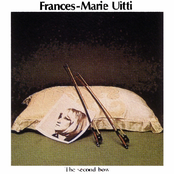
Frances-Marie Uitti (born 1948, in Chicago, Illinois, US) is an American experimental cellist and classical composer known for pioneering extended performance techniques, including the introduction of a revolutionary dimension to the cello by transforming it for the first time into a polyphonic instrument, capable of sustained chordal (two, three, and four-part) and intricate multi-voiced writing. Using two bows in one hand, this invention permits contemporaneous cross accents, multiple timbres, contrasting 4-voiced dynamics, simultaneous legato/articulated playing, that her previous work with a curved bow couldn't attain. György Kurtág, Luigi Nono, Giacinto Scelsi, Louis Andriessen, Jonathan Harvey, Richard Barrett, and Sylvano Bussoti are among those who have used this technique in their works dedicated to her. Collaborating significantly over years with radical composers, such as Dick Raaijmakers, John Cage and particularly Giacinto Scelsi (with whom she worked closely while living in Rome, transcribing from his archive and improvising together from 1975 until his death in 1988), she developed a unique compositional language in modern music. Uitti has also worked closely with Iannis Xenakis, Elliott Carter, Brian Ferneyhough and countless other composers from diverse areas of expertise. Uitti was a guest professor at Oberlin Conservatory of Music for two years, and was awarded the Regents' Lectureship both at the University of California Berkeley and at University of Cal