Loading details…
E
Artist
Ensemble Chominciamento di Gioia
12+ albums
early musicmedievalearly music performerAllRenaissance-Baroque
about
The Ensemble "Chominciamento di gioia" is named after an "istampitta", a 14th century Italian dance. The Ensemble's aim is the diffusion of European Medieval and Renaissance music. It gives special attention to the Italian vocal and instrumental entertainment repertoire, which is presented with particular respect for the original texts and at the same time an awareness of modern standards of musical enjoyment. The "Chominciamento di gioia" musicians make recordings with labels as Deutsche Grammophon, EMI, Virgin, Deutsche Harmonia Mundi, Symphonia, Stradivarius, Tactus, K617, III Millennio, Musicaimmagine records, etc.. The Ensemble play on modern copies of instruments used between the 12th and the 14th centuries, which are based on scholarly studies of originals and on pictorial representations of the period, taking into account what is known of their use at particular places and times. The Ensemble have toured Italy and Spain extensively in concert, and have played incidental music for drama of the Renaissance and the Middle Ages. They have recorded sound tracks for documentaries, exhibitions and the CDs "Peccatori e Santi", "Farai un vers desconvenent", "Codex Bamberg", "Francesco Landini, ballate", "Rosa das Rosas, the symbol of the Rose in Middle Ages", "Istampitte, italian medieval dances" and "In vinea mea, wine, grape vines and vineyards in the Middle Ages". They have made many radio and television broadcasts for RAI and Mediaset (Italy), Radio Nacional de España, Rad
top songs
albums
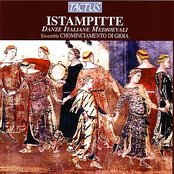
Istampitte Danze Italiane del XIV Secolo
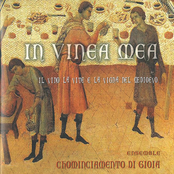
In vinea mea
▥
Codex Bamberg (From the XIIe century)
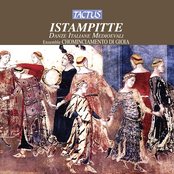
Istampitte: Danze italiane del Medioevo
▥
Landini: Ballate
▥
In Vina Mea (Il vino, la vite e la vigna nel Medioevo)
▥
Peccatori e santi
▥
Rosas das Rosas
▥
Peccatori e Santi: L'amor sacro e il sentimento popolare nei laudari italiani e spagnoli del XIII secolo
▥
Bamberg Codex
▥
La via di Paolo di Giovanni
▥
The World of Early Music