Loading details…

Artist
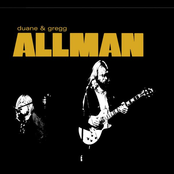
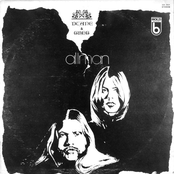
Duane Allman, Gregg Allman
7+ albums
classic rockrockSouthern Rockbluesbluesrock
about
DUANE ALLMAN Synopsis Howard Duane Allman (born November 20, 1946) and his brother Gregg were avid guitarists, forming the band The Allman Joys, later The Hour Glass, in 1965. Duane's slide guitar sound was also in demand for recordings by artists like Wilson Pickett and Eric Clapton. In 1969, he and Gregg cofounded The Allman Brothers Band, which recorded three successful albums before Duane's death in 1971. Early Musical Inclination Howard Duane Allman was born in Nashville, Tennessee on November 20, 1946. Duane, as he was known, and his brother, Gregg, were raised by their mother Geraldine Allman after their father, Willis, was murdered when Duane was just 3-years-old. Geraldine, "Mama A" moved with her boys to Daytona Beach, Florida in 1957. Once Gregg heard a neighbor playing guitar, he decided that he needed to learn the instrument. Duane soon followed suit, and became an even better player than his brother. The boys were influenced by the bluesy music of artists such as B.B King, whom they saw in concert while teenagers. Duane dropped out of high school to stay home and practice guitar and when Gregg graduated from Sea Breeze High School in 1965, the young men formed their first official band, the Allman Joys. When the Allman Joys became The Hour Glass in 1967, the group moved to Los Angeles. During this time, Duane perfected his electric slide guitar technique, using an empty Coricidin glass bottle over his ring finger as a slide. Allman Brothers Band Forms Duan
why this is interesting
# Why This Album Matters This collaboration captures two brothers at a pivotal moment—exploring the intersection of blues, country, and rock that would define Southern rock's trajectory. What distinguishes it is its raw authenticity; rather than polished studio craft, it prizes the spontaneous interplay between Duane's revolutionary slide guitar technique and Gregg's soulful vocals and keyboards. The album documents a musical dialogue that feels genuinely exploratory, unbound by commercial expectation. Its cultural significance lies in demonstrating how deeply American roots music—blues in particular—could be reimagined through a distinctly Southern lens, influencing generations of musicians who followed. The intimacy between the brothers creates an almost documentary quality,