Loading details…

Artist
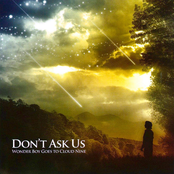
Don't Ask Us
12+ albums
pop punkpowerpop
about
The story began in early 2006 when Don’t Ask Us emerged from the saturated Melbourne rock scene armed only with a 3-track demo. Despite a sound and a live presence that is unlike every band in the Melbourne rock scene Don’t Ask Us had no trouble building a steady fanbase and soon forged a reputation for attracting record crowds at a number of Melbourne venues. Don’t Ask Us have been compared to many bands and their individual influences vary. They have blended the modern pop / rock of Fallout Boy and The All American Rejects and injected a distinctive Australian influence, inspired by homegrown heroes Kisschasy and Gyroscope. 2006 saw Don’t Ask Us grow from strength to strength as they played countless shows in and out of Melbourne, sharing the stage with some of Australia’s most respected bands such as PARKWAY DRIVE (NSW), DALLAS CRANE (VIC), BODYJAR (VIC), SOMETHING WITH NUMBERS (NSW), HORSELL COMMON (VIC) THE GETAWAY PLAN (VIC), ANTISKEPTIC (VIC), TRIAL KENNEDY (VIC), and ANGELAS DISH (NSW). In October 2006 they were given the opportunity to play at the Melbourne Taste Of Chaos which saw Don't Ask Us play alongside some of the worlds most successful bands such as TAKING BACK SUNDAY, UNDEROATH, ANTI-FLAG, SENSES FAIL, SAOSIN and THURSDAY. In December they also played local support on the BEHIND CRIMSON EYES (VIC) 'A Revelation for Despair tour.' In 2007 they also supported Mtv's DIRTY SANCHEZ (UK) on their Melbourne visit. In late 2006 Don’t Ask Us appeared as the Hou
why this is interesting
# Don't Ask Us This album merits genuine curiosity for how it navigates the tension between accessibility and distinctiveness. Emerging from Melbourne's oversaturated rock landscape in 2006, the band synthesized contemporary pop-rock conventions while resisting easy categorization through a distinctly Australian sensibility. Their approach suggests something worth examining: how regional identity and local influence can reshape imported sounds into something genuinely particular. Rather than chasing trends wholesale, they appear invested in exploring what happens when familiar structures encounter specific cultural context. The result invites listeners to consider how place and craft interact—not as academic exercise, but as living creative practice.