Loading details…

Artist
Connie Haines
12+ albums
jazzfemale vocalists40s50ssoul
about
Connie Haines (Yvonne Marie Antoinette JaMais, Savannah, Georgia, January 20, 1921 – September 22, 2008, Clearwater Beach, Florida) was an American singer. Connie Haines learned to sing from her mother, a voice and dance teacher. Living in Jacksonville, she began performing on the radio before the age of ten. In 1931, she appeared over NBC radio as Baby Yvonne Marie, the Little Princess of the Air, sang with Paul Whiteman’s Orchestra one year later, and in 1934 won a vocal contest on The Fred Allen Show. Haines first big band contract was with Howard Lally. At age of 16, she was singing with Harry James’ band (her first professional gig with Frank Sinatra). Financial problems forced James to fire both Sinatra and (later) Haines; both subsequently found work with Tommy Dorsey. Beginning in 1940, Haines, Sinatra, and the Pied Pipers made Dorsey’s one of the strongest bands from a pop standpoint, and Haines appeared on several hits: “Two Dreams Met,” “Oh, Look at Me Now,” “Kiss the Boys Goodbye,” and “What Is This Thing Called Love?” After leaving Dorsey’s band, Haines joined the Bob Crosby Orchestra in 1941. As a solo singer, she recorded singles and LPs for a variety of labels during the next few decades, and continued performing into the 90s. User-contributed text is available under the Creative Commons By-SA License; additional terms may apply.
why this is interesting
# Connie Haines This artist's career offers a fascinating window into American popular music's mid-century evolution. Beginning as a child prodigy on radio—performing before she reached her teens—Haines navigated the big band era when female vocalists were simultaneously celebrated and constrained by industry conventions. Her work with orchestras like Paul Whiteman's reveals how singers of her generation shaped the transition from orchestral arrangements to more intimate vocal styles. What makes her trajectory particularly noteworthy is how she sustained a career across shifting musical landscapes, demonstrating both technical skill and adaptability. Her recordings capture a specific moment when radio singers held cultural power, offering historians and listeners alike a direct connection to how Americans experienced popular
top songs
albums
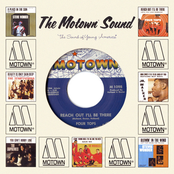
The Complete Motown Singles, Vol. 6: 1966
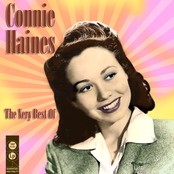
The Very Best Of
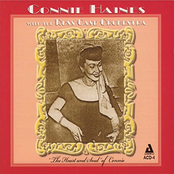
The Heart and Soul of Connie
▥
Music From Martin Scorsese Films

Never Say Goodbye
▥
100 Essential Motown [Disc 1]
100 Motown Classics
▥
Bandstand Memories 1938 to 1948

Sings Helen Morgan
▥
100 Essential Motown
▥
Big Bands Swing & The Ladies Sing
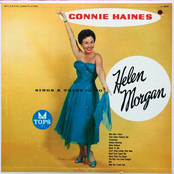
Sings a Tribute to Helen Morgan