Loading details…

Artist
Clyde McCoy
12+ albums
Big Bandswing
about
Clyde McCoy (December 29, 1903 in Ashland, Kentucky – June 11, 1990 in Memphis, Tennessee), a famous jazz trumpet player, is best remembered for his themes song, Sugar Blues, and popularity expanding seven decades. Introduced in 1967, the Vox Clyde McCoy Wah-wah pedal was the most significant guitar effect of its time. Invented by a young engineer named Brad Plunkett, who worked for the Thomas Organ Company — Vox/JMI’s U.S. counterpart — the wah circuit basically sprang from the 3-position midrange voicing function used on the Vox Super Beatle amplifier. Vox cleverly packaged the circuit into an enclosure with a rocker pedal attached to the pot (which controlled the frequency of the resonant peak) and named the new device after trumpeter Clyde McCoy, who was known for the signature “wah” sound he created with a mute in the bell of his horn. Early versions of the Clyde McCoy featured an image of McCoy on the bottom panel, which soon gave way to his signature only before the name of the pedal was changed to Cry Baby. Thomas Organ’s failure to trademark the Cry Baby name soon led to the market being flooded with Cry Baby imitations from various parts of the world, including Italy, where the McCoys were originally made. McCoy has a "Star" on the Hollywood Walk of Fame. User-contributed text is available under the Creative Commons By-SA License; additional terms may apply.
top songs
albums

Big Band Hits Of The 1930s
▥
Music from and Inspired By the Wolf of Wall Street
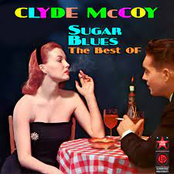
Sugar Blues - The Best Of
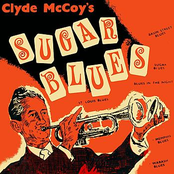
Sugar Blues
▥
Radio & Recording Rarities, Volume 28
▥
NICE!
▥
Jazz Classics
▥
Sugar - Single
▥
Big Band Dance Music: 30 Classic Songs of the 1940s and 1950s
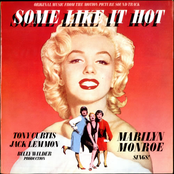
Some Like It Hot (1959 Film Score)
▥
100 Jazz Legends
▥
Clyde McCoy and his Waa-Waa Dixieland Band