Loading details…

Artist
Chiquinha Gonzaga
12+ albums
chorinhopianobrazilianbrazilchoro
about
Francisca Edwiges Neves Gonzaga (October 17, 1847, Rio de Janeiro, Brazil — February 28, 1935, Rio de Janeiro, Brazil), best known as Chiquinha Gonzaga, was a Brazilian composer, pianist and conductor. She was the first 'choro' pianist, author of the first carnival march ("Ó Abre Alas", 1899) and also the first woman to conduct an orchestra in Brazil. At a time when waltzes, polkas, and tangos prevailed in the elite musical scene in Brazil, Chiquinha incorporated in her compositions the diversity found in the music of the lower classes. The need to adapt the sound of the piano to popular taste earned her recognition as Brazil's first popular composer. Gonzaga was also a pioneer in defending the copyrights of musicians and theater authors, as well as an active participant in the movement for the abolition of slavery, selling her sheet music from door to door in order to raise funds for the Liberation Confederation. With the money raised from the sale of her songs, she bought the freedom of José Flauta, a slave musician. Chiquinha's father was a field marshal of the Brazilian Imperial Army, and her mother was the daughter of a freed slave. Gonzaga received an education that would ordinarily have lead her to be a “sinházinha”, a respectful officer's daughter. She learned how to read, write, and do math, but also music, especially how to play the piano, a distinctive mark of a real lady. In 1863, at age 16, Francisca married Jacinto do Amaral, a navy official, 8 years older th
top songs
albums
Chiquinha Gonzaga
10 Sucessos Originais
Chiquinha Gonzaga - Duo Piano e Violino - Marcus Viana e Maria Teresa Madeira (Arr. for Piano and Violin)
▥
Untitled Album
Lua Branca (Arr. for Violin and Piano by Esther Abrami)
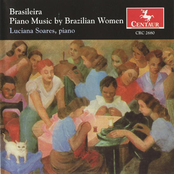
Brasileira: Piano Music by Brazilian Women
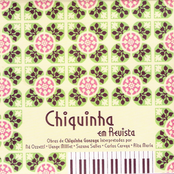
Chiquinha em Revista
▥
Gonzaga – Gaúcho
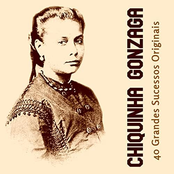
40 Grandes Sucessos Originais
▥
Perfume: Chiquinha Gonzaga Waltzes, Vol. 1
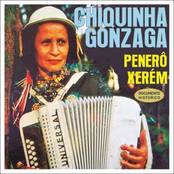
Penerô xerém
▥
43 Marchinhas de Carnaval