Loading details…

Artist
Child's View
12+ albums
13electronicjapaneseidmexperimental
about
Kyoto-based producer Nobukazu Takemura's career has followed an odd trajectory for an artist produced by the club scene. He emerged as a hip-hop DJ in the mid-'80s, inspired by the Japanese leg of the legendary Wild Style tour (largely credited for introducing hip-hop to Japan). A short-lived career as a battle DJ led Takemura to shift focus to the mixing desk in the late '80s, and within a few years he was releasing tracks through Mo'Wax, Lollop, and Bungalow under the names DJ Takemura and Spiritual Vibes. Ostensibly trip-hop and acid jazz, these releases were marked by a high quotient of live instrumentation and, in contrast to his bedroom-producer colleagues, very high production values. In parallel with his club-oriented releases, Takemura was also producing more exploratory material together with Yamatsuka Eye (of the Boredoms) and Aki Onda as Audio Sports; the group released an LP, Era of Glittering Gas, before Onda took sole control of the project in 1992. By the mid-'90s, Takemura had signed with Warner Japan as a solo artist, and his releases as Child's View and under his own name tended increasingly toward a challenging diffusion of hip-hop, jazz, pop, drum'n'bass, and post-classical music. (The 1996 remix album, Child's View Remix, featuring Aphex Twin, Coldcut, and Wagon Christ, among others, suggested his growing interest in the experimental fringes of dance culture.) With 1997's Child & Magic LP, Takemura's interest in the relatively more stable rhythms of
you might also explore
▣Movies
▤Books
top songs
albums

Funfair
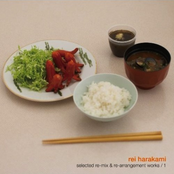
あさげ selected re-mix & re-arrangement works / 1
▥
あさげ selected re-mix & re-arrengement works/1
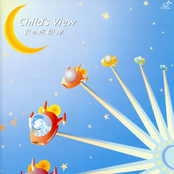
夜の遊園地
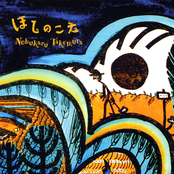
ほしのこえ
▥
blue-60th ANNIVERSARY OF BLUE NOTE deejay's cool cuts
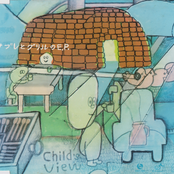
サブレとグリルのe.p.
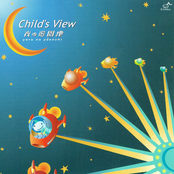
Yoru No Yuenchi
▥
あさげ~SELECTED RE-MIX & RE-ARRANGEMENT WORKS/1
▥
Hoshi No Koe
▥
asage - selected re-mix & re-arrangement works 1
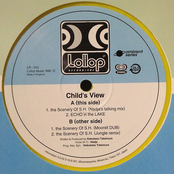
The Scenery of S.H.