Loading details…

Artist
Celso Murilo
12+ albums
brazilianjazzJazz SambaBossa Novabalanco
about
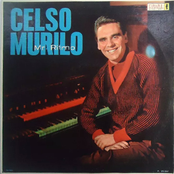
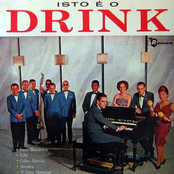
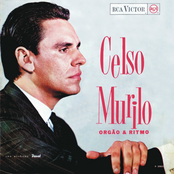
The whatmusic.com interview... mr rhythm! Celso Murilo Levanhagen’s music belongs to a watershed period in the history of brazilian music. Celso Murilo was at his creative peak at a time when the massive influence of cuban pop music was beginning to wane in favour of the new breed of young composers finding their feet in the wake of Joao Gilberto’s seminal 1958 release ‘Chega de Saudade’. That album is generally accepted as the starting point of what became known as bossa nova but, like all movements, it took a few years before records contained nothing but bossa nova compositions and their trademark sound. So, in this transition period we find a lot of artists and recordings that acted as signposts for what was about to become a total revolution. Celso Murilo, who hails from a small town in the interior state of Minas Gerais, arrived in Rio in 1959 in time to become part of this new wave. Although starting out as a pianist, Murilo soon took up the organ, which was the instrument of its day, principally due to the existence of a spanking new Hammond B3 model at the legendary Drink nightclub. The Drink was the coolest place of its time, and its house band, led by the charismatic malandro Djalma Ferreira, was the best gig in town for any young musician. Ed Lincoln got his first touch of the Hammond one day after Djalma Ferreira was shot on a Friday afternoon and the club managers were desperate to replace their key man. Lincoln loved the B3 so much that he got hold of his