Loading details…

Artist
Cego Oliveira
12+ albums
brazilviolinweirdtrippyToada
about
(1883 – 1977) Cego Oliveira's sight was subnormal – ocular alterations occurred to him while registering reality and affected his view of the world. This crippling condition allowed him an unusual worldview that fed his creativity and music. Native to Juazeiro do Norte, in the Brazilian state of Ceará, in 1929 he had his first contact with the rabeca when his uncle gave him one of such instruments – the rabeca is an instrument of Arabic/Jewish origin (the nefer, or Arabian rebab) hybridized with the maracás (name given to the Tupi-Guarani violins and guitars). He was a representant of a little known musical style in the process of going extinct: the romance. The romances arose in medieval Europe and tell stories – often long ones – in the form of verses with intricate stanzas and rhymes. Cego Oliveira once said he had a repertoire of 75 "rumances", among which the famous "Romance do Pavão Misterioso" and "A verdadeira história de José de Calais". He learned to play his instrument alone and to memorize the verses of the songs with the help of a brother that read to him the verses of the romances. Like an Iberic minstrel Oliveira roamed plazas and fairs unraveling his singing and darning his rabeca for the coins and scant money of his listeners, in their majority poor people of the backwoods of Ceará whose only entertainment was listening to regional singers. The popularization of the radio gradually ended Cego Oliveira's (and other regional bards') popularity, who st
top songs
albums
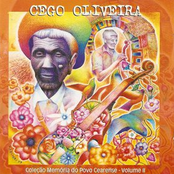
Coleção Memória Do Povo Cearense - Volume II
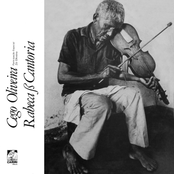
Rabeca e cantoria
▥
Coleção Memória do Povo Cearense - Vol. 2
▥
Nordeste: Cordel, Repente, Canção
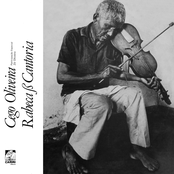
Rabeca & Cantoria
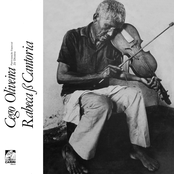
Rabecas & Cantoria
▥
Nordeste: Cordel, Repente e Canção
▥
Nordeste - cordel, repente e canção
▥
Coleo Memria Do Povo Cearense - Volume Ii
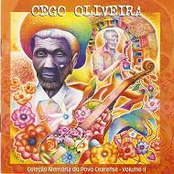
Coleção Memória do Povo Cearense - Volume II (Disco 1)
▥
Memória do Povo Cearense Volume II
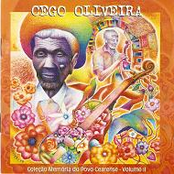
Coleção Memória do Povo Cearense - Volume II (Disco 2)