Loading details…

Artist
Carlos Puebla
12+ albums
cubalatinrevolutionpoliticalcuban
about
Born into a modest family, he did several types of manual jobs during his youth (carpenter, mechanic, sugarcane worker, shoemaker), but quickly became interested in music, and especially in the guitar. He learned how to play the instrument by himself, without a teacher. He began composing during the 1930s, and met with a certain amount of popularity in his native city. He recorded his first songs in the 1950s with his group Los Tradicionales, formed in 1953, and politically he stood beside Fidel Castro before the 1959 Revolution. In 1961, he went on tour in several countries with his musicians. His music, as well as his political activity, turned his concerts into a success. He was thenceforth called "the singer of the Cuban Revolution" and other world tours followed. More than an ambassador for Cuban music, he was an ambassador for Cuba. In 1965, the night after Fidel Castro's speech announcing Che Guevara's departure from the government, Puebla, seized by passion, composed what would become his most celebrated work, Hasta Siempre, Commandante, a true declaration of love for and hope in Che. On 12 July 1989, he died in Havana after a long illness. His ashes were transferred to the cemetery of his native city five years later. A plaque there reads: yo soy ésto que soy, un simple trovador que canta ("I am what I am, a simple troubadour who sings"). Puebla began by writing love songs, such as Quiero hablar contigo, Qué sé yo and Te vieron con él, which later became success
top songs
albums
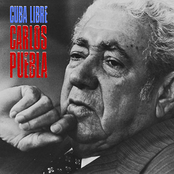
Cuba Libre (Remastered)
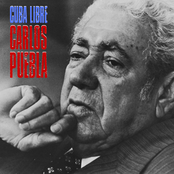
Cuba Libre
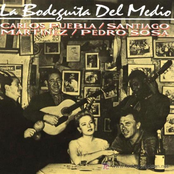
La Bodeguita del Medio
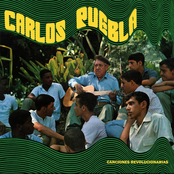
Canciones Revolucionarias
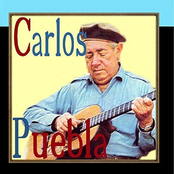
Yo Sigo Siendo Cubano
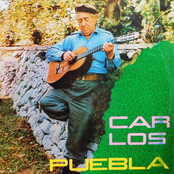
Traigo de Cuba un Cantar
▥
Boleros Inéditos, Volume 2
▥
Dos voces de América en un canto a Cuba
▥
Cancion Protesta: Protest Songs of Latin America
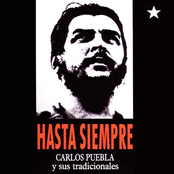
Hasta Siempre
▥
Perlas Cubanas: Carlos Puebla 1961
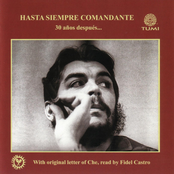
EL CHE VIVE