Loading details…

Artist
Calaveras
12+ albums
western
about
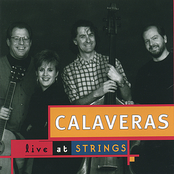
Calaveras (San Francisco Bay Area) Singer-songwriters Greg Beattie and Victoria Blythe, along with instrumentalist Dave Decker, combine voices and a half dozen acoustic instruments into original songs that are both fresh and timeless--from the roots of American traditional song forms to explorations of contemporary sounds. Their songs have captured the prestigious Kerrville New Folk prize, grand prize in the West Coast Songwriters International song contest as well as first place in two additional categories, the Napa Valley Emerging Songwriter award, West Coast Songwriter’s Association Song of the Year honors, and have appeared in TV shows and movies. Their songs have been recorded by other artists and on numerous compilations with such well known artists as Joan Baez and Cheryl Wheeler. Their live show is a mix of Victoria’s soaring, ethereal vocals and hauntingly beautiful fiddle on pure folk ballads and sultry jazz-fusion torch songs, Greg’s energetic and insightful musical treatment of birth, death and everything in between, and Dave’s constantly creative lead-guitar commentary. Their new album, Green Girl, is the culmination of nearly 10 years of writing, performing and dreaming since their prior release--songs that are varied but genuine representations of the many roads travelled to get here. Also heard on the album are Bass wizard Sam Bevan, the insanely talented (and sometimes insane) Joe Craven, god of the high guitar Tim Ellis, always-tasteful Jim Norris on
why this is interesting
# Calaveras This ensemble merits attention for its thoughtful synthesis of tradition and innovation. By weaving together multiple vocal textures with an array of acoustic instruments, Beattie, Blythe, and Decker create something neither nostalgic nor trendy, but genuinely rooted. Their songwriting demonstrates genuine craft—they've earned recognition from respected competitions—yet their work resists easy categorization. The distinctive quality lies in how they honor American folk lineages while exploring contemporary sonic territory, suggesting that these modes need not compete. For listeners curious about how traditional forms might evolve authentically in the present moment, their songs offer a compelling, unpretentious example of that possibility.