Loading details…

Artist
Cacho Castaña
12+ albums
argentinatangorioplatenselatinBuenos Aires
about
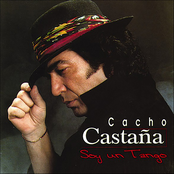
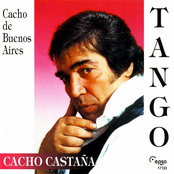
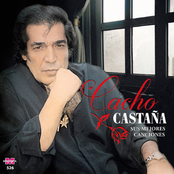
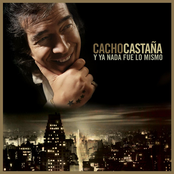
Cacho Castaña (Humberto Vicente Castagna, Buenos Aires, Argentina, June 11, 1942 – October 15, 2019), was an Argentine singer and actor. Cacho Castaña developed an interest in music during his early years, and by age fourteen, he was a piano teacher. Raised in modest circumstances in the Flores neighborhood, he worked with his father, a shoe cobbler, until age 16. He began his career in music in his teens as a pianist in Oscar Espósito's orquesta típica, one of numerous such groups that performed tango music at the time, and also performed in the Chamamé folk genre. Castaña became famous as a bolero singer during the 1970s, performing on Argentine television programs such as Tiempo Final and Un Cortado, among others. He authored numerous hits, including Me gusta, me gusta ("I like it, I like it"), Lo llaman el matador ("He's Nicknamed the Killer") and Hay que encontrar al ladrón ("The Thief Must be Found"), and his signature bolero: Para vivir un gran amor ("To Live a Great Love"). His lyrics became known for their extemporaneous and often autobiographical style, which he described as "writing as I would speak." He is much better known, however, for his contributions to tango music: some of his compositions are considered classics by his fans, including Qué tango hay que cantar ("What Tango Must One Sing", with Rubén Juárez), Garganta con Arena ("Throat full of sand", an homage to Roberto Goyeneche, his mentor), "Tita de Buenos Aires", (Tita de Buenos Aires, dedicated to