Loading details…

Artist
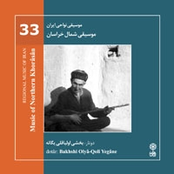
Bakhshi Olya-Gholi Yegane
3+ albums
folkWorld MusicIraniandotarturkmen
about
Bakhshi Olya-Gholi Yegane (1916-1979) Olya-Gholi lived in northern Khorasan, in the village of Kheyr Abad, north of the city of Daregaz, near the Torkamanestan frontier, which was then part of Soviet Russia. His father, Gholam Reza Yeganeh, also a bakhshi, started teaching his son at the age of eight, and Olya-Gholi had became a proficient dotar player by the age of fourteen. The author first met him in November 1974 when Olya-Gholi was fifty eight years old, and his voice still voluminous and expressive, was beginning to loose its former healthier quality, but he was a performer of a very high caliber, with a wide repertoire of songs and dotar pieces which he incorporated in the various versified love Romances, such as Zohre and Taher, Sayat Khan and Hamra, Gharib and Shah Sanam, or in epic tales in verse about some hero of chivalry as in the Romance of Kur Oghli, and also in moral mystic-religious texts attributed mostly to Makhtum Gholi, the renowned popular 18th century mystic poet. Olya-Gholi was at the time of our acquaintance, prone to sing mostly from the Romance of Gharib and Shah Sanam which he preferred to name Sanam Jan (dear Sanam), moving lyrical pieces of a longing nature, and also from his repertoire of Makhtum Gholi whom he revered as an enlightened being and teacher. His repertoire also included descriptive war episodes from battles led by Torkaman tribes, such as the piece Torkaman Khabare and the Ghazal of Nader, about the 18th century Iranian king, believ