Loading details…

Artist
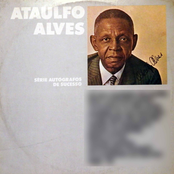
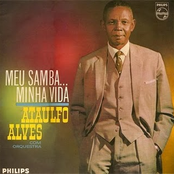
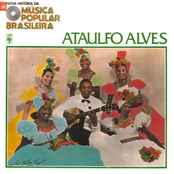
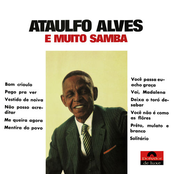
Ataulfo Alves
12+ albums
sambabrasilsamba de raizmpblusofonia
about
Son of the violeiro (Brazilian viola player), repentista (verse improviser), and harmonica player Severino Alves de Souza, Ataulfo Alves (Ataulfo Alves de Sousa - May 2,1909 Miraí/MG - April 20,1969 Rio de Janeiro) at age eight already was responding in verses to his father's desafios (cutting contests). Becoming an orphan at age ten, he worked in several jobs, moving to Rio in 1927. There he continued to work, frequenting rodas de samba in his leisure hours. At that time he already knew how to play the violão (acoustic guitar), the cavaquinho, and the mandolin, and organized a group, which played in the neighborhood. Alves then became the diretor de harmonia of the bloco (Carnival group) Fale Quem Quiser. Introduced by Bide to RCA Victor's director in 1933, he had his "Sexta-feira" recorded by Almirante, and soon (1934) his "Tempo Perdido" was recorded by Carmen Miranda (who was already acquainted with Alves). The first hit came out in the following year, "Saudades do Meu Barracão," which was recorded by Floriano Belham and the Bando da Lua. In the same year, the Bando da Lua recorded the march "Menina Que Pinta o Sete" (with Roberto Martins). In 1936 Sílvio Caldas recorded the samba "Saudade Dela" and in 1937 Carlos Galhardo recorded the valse "A Você" (with Aldo Cabral) and the samba "Quanta Tristeza" (with André Filho), among many others in the following years. Orlando Silva recorded in 1938 "Errei...Erramos," and several other Alves songs in the years to come. In 1940 a