Loading details…

Artist
Ana Hato
12+ albums
New Zealandfolkmaorifemale vocalist
about
Ana Matawhaura Hato was born in Ngapuna, Rotorua, on 30 December 1907, one of three children of Hato Mae Ngamahirau, of Ngati Whakaue, and his wife, Riripeti Te Opehoia Eparaima, of Tuhourangi. Her close relatives called her Whaura. She grew up in the tourist mecca of Whakarewarewa, where she was imbued with Maori custom, language and lore and exposed to other cultures. She was a strong swimmer, and dived for pennies thrown by tourists into Puarenga Stream. A sports enthusiast, she represented Rotorua at hockey and in 1925 her team won the Auckland Provincial Cup. She was also a keen basketball and rugby player. By singing Maori songs in front of tribal audiences and tourists she developed sophistication and confidence as a soprano. Although unable to read music, she was noted for her accurate pitch. When Ana was 16 she was invited to join the concert party of Guide Rangi (Rangitiaria Dennan). Her reputation grew and she became much sought after as a soloist. The visit of the duke and duchess of York to Rotorua in 1927 provided an opportunity for tribes throughout the country to perform. Ana Hato featured at a concert in the old Tunohopu meeting house, Ohinemutu, and sang duets with her cousin, the tenor Deane Waretini. The event was recorded by the Parlophone Company from Australia, and this led to further recording engagements in Australia in 1929. Fourteen records were made in Australia and thousands were sold. Titles included ‘Pokarekare’, ‘E pari ra’, ‘Hine e hine’ and
top songs
albums
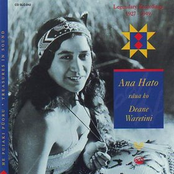
Ana Hato rāua ko Deane Waretini: Legendary Recordings, 1927-1949
▥
1001 Songs Before You Die
▥
1001 Songs You Must Hear Before You Die
▥
Ana Hato
▥
Calm When You Passed By: Aotearoa Songs 1927-29
▥
Legendary Recordings 1927 – 1949
▥
The Great Songs Of Ana Hato And Deane Waretini
▥
Pokarekare
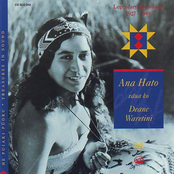
Ana Hato Rāua Ko Deane Waretini: Legendary Recordings 1927-1949
▥
Pokare Kare / Hine Ehine
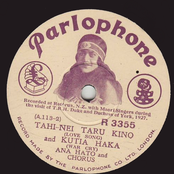
Hoki Hoki Tonumai and Poatarau Maori (Love Songs) / Tahi–Nei Taru Kino (Love Song) and Kutia Haka (War Cry)
▥
Pokarekare [Single]