Loading details…

Artist
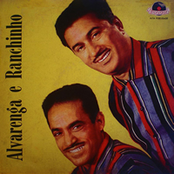
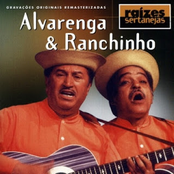
Alvarenga E Ranchinho
12+ albums
brazilModa de ViolasertanejoCaipira
about
The duo Alvarenga e Ranchinho was a most popular one in Brazil. Adopting the caipira (hillbilly) image, they specialized in political and customs satire through music and jokes. The duo's career spanned from 1933 to Alvarenga's demise in 1978. One of their biggest hits was "História de Uma Caveira," recorded in 1940. "Ê... São Paulo," taken almost as an anthem by old-time paulistanos, was recorded in 1944. In 1950, the duo performed in the Cassino Estoril (Lisbon, Portugal) for one month. Their recording of the march "Cordão Japonês" had success two years later. The duo participated in over 30 films in its career. According to Ranchinho, the duo was formed in May 1933 in a circus at the city of Santos (São Paulo). By and by they became more popular in upcountry circuses and radio outings. But their big break came when they, invited by Capitão Furtado, appeared in the film Fazendo Fita (by Vitorio Capellaro, 1935). In the same year, the duo's carnival marchinha "Sai, Feia" won São Paulo's annual contest and was recorded by Raul Torres. Moving to Rio de Janeiro, they worked on the melody of Furtado's "Itália e Abissínia" and were included in the song's authorship and recording in 1936 (with "Liga das Nações," also by the three of them). Also in that year they opened at the Casa de Caboclo (Rio de Janeiro), were hired by Rádio Tupi, where the trio was given a show of their own, A Trinca do Bom Humor, and performed in Buenos Aires, Argentina. In the next year, the duo was hired