Loading details…

Artist
Allison's Sacred Harp Singers
12+ albums
americanafolkgospelAlabamaWhat Shall We Do Without Us
about
J. T. ALLISON'S SACRED HARP SINGERS notes by John Bealle and Joyce Cauthen In the storied history of Sacred Harp singing, the 1927-1928 recordings by J. T. Allison's ensemble represent a curious anomaly. For these recordings are rare instances of the convergence of two important cultural movements of the southeastern U.S.-the emerging country music recording industry and the impressive tradition of singing religious folk music from shape-note tunebooks. The Allison group traveled from their homes in Birmingham and Moody, Alabama, to the legendary Gennett recording studio in Richmond, Indiana. What things led them to do this is of much importance here, as is what things led many others not to. The Sacred Harp The music the Allisons recorded would have been sung directly from The Sacred Harp, a book first compiled in 1844 in Hamilton, Georgia. This musical volume is a shape-note tunebook, meaning that the music was printed in shape-note musical notation to aid in music reading. The Sacred Harp uses four shapes, so its music is sometimes called "fasola" music for the names of the notes of the scale, "fa-sol-la-fa-sol-la-mi-fa" (as opposed to the more-familiar "do-re-mi" seven-shape system, "do-re-mi-fa-sol-la-ti-do"). The shape-note system derives from the singing school tradition installed in eighteenth century New England whereby public singing classes were held with the purpose of improving the music in the churches. Around 1800, shape-note notation was devised-assigning s
top songs
albums
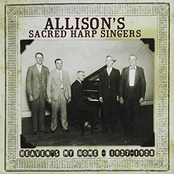
Heaven's My Home 1927-1928
▥
How Can I Keep From Singing, Vol. 1
▥
The Return of The Stuff That Dreams Are Made Of
▥
Folk Music in America, Vol. 1 - Religious Music: Congregational & Ceremonial
▥
Times Ain't Like They Used To Be: Early American Rural Music, Vol. 3
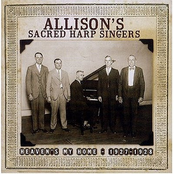
Heaven's My Home - 1927-1928
▥
Heaven's My Home, 1927-1928
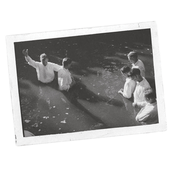
I'm on My Journey Home: Sacred Harp Singing, 1928-1934
▥
Goodbye, Babylon Disc 5
▥
The Loved Ones
▥
Times Ain't Like They Used To Be: Early American Rural Music. Classic Recordings Of The 1920s And 30s, Vol. 3
▥
Roots of the Blues