Loading details…

Artist
Al Jolson
12+ albums
jazz20soldiesmusic hallmale vocalists
about
Al Jolson (born Asa Yoelson; c. 26 May 1886 [Old Style] / 9 June 1886 [New Style] – 23 October 1950) was an American singer, comedian, actor, and vaudevillian. He was among the most prominent and highest-paid entertainers in the United States during the 1910s and 1920s, and was known for his emotive and theatrical performance style, which contributed to the popularisation of many songs he performed. His influence on early 20th-century musical theatre has been noted by historians and critics, with some identifying his style as a significant factor in the development of the modern musical. Jolson was also closely associated with blackface performance, a practice widely used in American entertainment at the time and later subject to critical reassessment. Jolson is best remembered as the star of "The Jazz Singer" (1927), regarded as the first feature-length motion picture with synchronised dialogue sequences. He also appeared in a number of successful musical films during the 1930s. Following the attack on Pearl Harbor in 1941, he became one of the first entertainers to perform for United States troops overseas during the Second World War. After a period of reduced activity, his career experienced a revival with "The Jolson Story" (1946), in which Larry Parks portrayed him, with Jolson providing the singing voice. A sequel, "Jolson Sings Again" (1949), followed a similar format. In 1950, he performed for United States forces during the Korean War, giving 42 shows in 16 days. He
top songs
albums
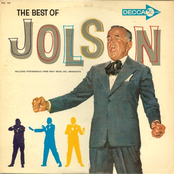
The Best Of Al Jolson
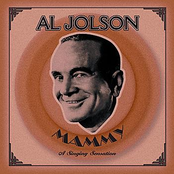
Mammy
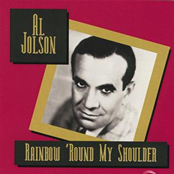
Rainbow 'Round My Shoulder
▥
Golden Years of
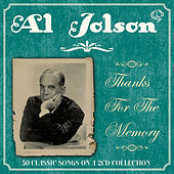
Thanks For The Memory
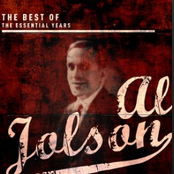
Best of the Essential Years: AL Jolson
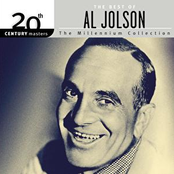
20th Century Masters The Millennium Collection: Best of Al Jolson
▥
Glenn Miller & Friends
▥
Let Me Sing And I'm Happy - Al Jolson At Warner Bros. 1926 - 1936
The Original Songs Uncovered (Tracks Inspired By Bioshock Infinite)
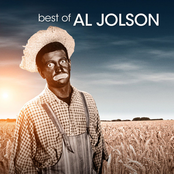
Best of Al Jolson
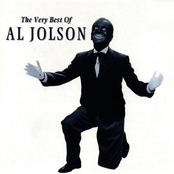
The Very Best of Al Jolson