Loading details…

Artist
Abdullah Ibrahim Trio
12+ albums
jazzpianojazz pianoafrican jazzSleep
about
Soon after September 11, when a gunman rampaged through the Swiss regional parliament in Zug, Swiss television interrupted its news coverage for an unscheduled broadcast. It was Abdullah Ibrahim's African Suite, recorded in 1997 by the pianist and composer in Fribourg cathedral, with string players from the European Community Youth Orchestra. "It's because of the healing power of music," says Ibrahim, who believes musicians are miscast as entertainers when their role is more akin to that of healers. Since he first fled South Africa in 1962, Ibrahim's increasingly spiritual and meditative jazz has won followers across Europe, the US and Japan and made him an icon at home. In the 50s as Dollar Brand (he took the name Abdullah Ibrahim in the 60s when he converted to Islam), he led Cape Town's short-lived flowering of bebop-inspired jazz. When the apartheid clampdown came, he became one of the most successful, and - with some 100 albums - prolific, musicians in the exodus, alongside the singer Miriam Makeba and the trumpeter Hugh Masekela. For Rob Allingham, a music historian and archivist at Gallo records in Johannesburg, Ibrahim was unique in "making it in the international jazz world without qualifications". A protege of Duke Ellington, he developed free-form jazz in New York in the 60s, playing with John Coltrane, Ornette Coleman and Don Cherry. Yet his fusion draws on Cape Town roots. Nigel Williamson, a music critic and compiler of a recent Ibrahim retrospective CD, says
top songs
albums
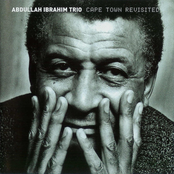
Cape Town Revisited
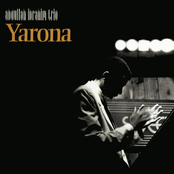
Yarona
▥
Jazz à La Villette, Cité de La Musique, Paris, France, 02. sept. 2011
▥
Musikresan 155
▥
Ibrahim, Abdullah: African Symphony
▥
The Enja Heritage Collection: Yarona
▥
Cape Town Revisted
▥
African Magic
▥
Cape Town Flowers
▥
African Suite - For Trio And String Orchestra
▥
Cape Town Revisited (Live)
▥
Estival Jazz Lugano 1998