Loading details…

Artist
Крум
12+ albums
bulgarianpop-folkchalgabulgariapop
about
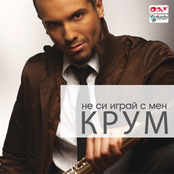
Krum Sirakov (Крум Сираков in Bulgarian) is MM Records's first artist. He is from Sofia, and he is only 19 years old. He graduated a music high school with flute for a major. Now he is first course in the music academy "Pancho Vladigerov". He is studing flute with professor Lidia Oshavkova, and along with that he is studying singing in Alis Bovarian's master class. At the age of seven, Krum started playing the piano but later he switched to the flute. In January 2005, he applied for the "BG Future Stars" casting for MMTV. He sent a homemade record of a song, written by himself. The producers were pleased with his voice, so he was asked to come to the next round of the casting. His debut is at MMTV's Music Awards in 2005. In the city of Veliko Tarnovo, Krum is being announced as the winner of the "BG Future Stars" casting. His second single called "Ne si igrai s men" ("Don't play your games with me", in Cyrillic that is "Не си играй с мен") was recorded at 2AM studio. Again Krum is the author of the lyrics. Krum is working on his debut album, along with one of the best Bulgarian DJs - DJ Doncho. A few weeks after they started working on Krum's songs, a couple of house remixes were released. User-contributed text is available under the Creative Commons By-SA License; additional terms may apply.
why this is interesting
# Why This Album Warrants Attention This debut presents a rare intersection of classical training and contemporary songwriting from an unusually young artist. What distinguishes it is not precocity alone, but the genuine synthesis at work—a musician educated in formal flute and vocal technique approaching composition with both technical discipline and creative independence. The album documents someone actively bridging conservatory traditions and personal artistic vision, a tension that often produces compelling work. Rather than following established patterns, Sirakov's choices suggest genuine curiosity about what his dual training permits him to express. For listeners interested in how classical foundation shapes modern musical thinking, or simply in following emerging artists with substantive artistic questions, this work offers genuine insight into that formative process