Loading details…

Artist
Верка
12+ albums
MacedonianmetalProgressiveProgressive metalepic
about
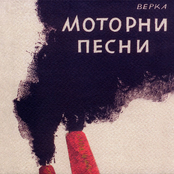
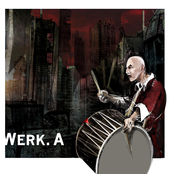
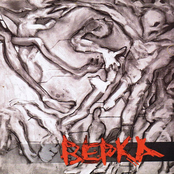
Верка (Verka) is a band from Delcevo, Republic of Macedonia. They started around 2000 and recorded a demo with ten songs, which was released in September 2003. The release is called "Jaggah". They had a lot of gigs throughout Macedonia and the neighboring countries, and were the support band for Soulfly in Skopje in 2003. They also played with Laibach in Skopje in 2001. Верка (Verka) won а Rock Fest Contest in 2001, a contest for demo bands in Macedonia. The members of the band are: Zoran (guitar), Brane (percussions), Nikola (vocals and bass) and Vlatko (drums). Here's what they say about their music: "The very essence of our music derives from our rich musical - cultural heritage. We are inspired by the rhythms and the sounds that Alexander The Great's army was using during battles and we sing in Macedonian language, as well as in English in our older songs. We are into bands like: Morbid Angel, The Mars Volta, Tool, Anacrusis, Waltari". At the end of 2010 they released their second studio album, "Моторни песни" (Motorni pesni). The title of the album was taken from the title of the book of poems "Моторни песни" (Motoring Verses, 1940) by Никола Вапцаров (Nikola Vapcarov), one of the greatest macedonian writers and poets. The album received a massive appreciation both from fans and music critics in Macedonia. It was featured as #2 on Plagij.at's list of Top 5 Macedonian albums for 2010. User-contributed text is available under the Creative Commons By-SA License; additi
why this is interesting
# On Верка's Artistic Worth This Macedonian ensemble merits attention for documenting a moment when Eastern European metal was finding its own voice, distinct from Western templates. *Jaggah* arrives at a formative period—early 2000s regional rock scenes were beginning to synthesize local cultural textures with inherited genre conventions. Верка'sDemo demonstrates technical proficiency and compositional ambition rare for emerging bands outside major music centers. Their trajectory, marked by victories in national contests and support slots for internationally significant acts, suggests they navigated genuine creative challenges rather than following obvious paths. The band's geographic positioning and era make their work historically interesting: a snapshot of how musicians in smaller Eastern European nations engaged
you might also explore
▧Games
▤Books