Loading details…
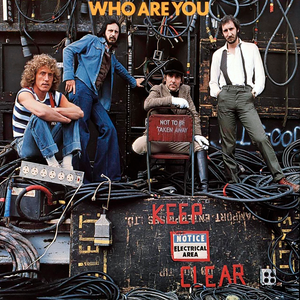
about this album
Who Are You is the eighth studio album by English rock band the Who, released on 18 August 1978 by Polydor Records in the United Kingdom and MCA Records in the United States. The album received mixed reviews from critics, though it was a commercial success, peaking at number 2 on the US charts and number 6 on the UK charts. Who Are You was the Who's last album to feature Keith Moon as their drummer; Moon died three weeks after the album's release. The paradoxical nature of the text "Not To Be Taken Away" that was stenciled on Moon's chair on the album cover was noted by some critics. Moon's death brought concerns that the band would have to fold. He was ultimately replaced by Kenney Jones. Who Are You was recorded at the time when punk rock became highly popular. However, this was not reflected in the album's music, which incorporates elements of progressive rock and, according to biographer Tony Fletcher, it was produced in such a way as to appeal to commercial rock radio at the time. The album showcased some of Townshend's most complicated arrangements, with multiple layers of synthesizer and strings. Many of the songs also revisited themes from Townshend's long-contemplated Lifehouse project, featuring lyrics about songwriting and music as a metaphor for life, as indicated by titles like "Guitar and Pen", "New Song", "Music Must Change", and "Sister Disco". The latter two, along with "Who Are You", ultimately appeared on Lifehouse Chronicles, Townshend's later actualizat