Loading details…
about this album
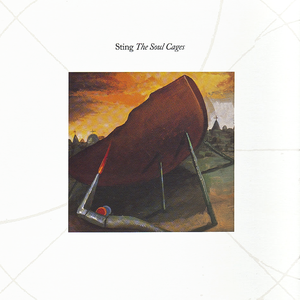
The Soul Cages is the third studio album released by Sting. Released in 1991, it became his second #1 album in the United Kingdom. While a relatively little-known album to casual fans, with a similar lack of popularity to 1996's Mercury Falling, this very personal and introspective album spawned four singles, "All This Time", "Why Should I Cry For You", "Mad About You", and "The Soul Cages". The latter won the 1992 Grammy Award for Best Rock Song. The Soul Cages is a concept album focused on the death of Sting's father. At the time, Sting had developed a writer's block shortly after his father's death; the episode lasted several years, until Sting was able to overcome his affliction by dealing with the death of his father through music. The first song written for The Soul Cages was "Why Should I Cry for You", and Sting has stated the rest of the album flowed quite easily after that first hurdle was overcome. Most of the songs have motifs related to sailing or the seas (Sting's father, according to Sting's autobiography, Broken Music, had always regretted not becoming a sailor.) There are also references to Newcastle, the part of England where Sting grew up. Album opener "Island of Souls" tells the story of Billy, the first son in a family line of riveters. As he watches the ships his father create set sail, Billy dreams of taking his father along with him to escape by sea; his dreams become more prevalent as his father is injured and given three weeks to live. "All This Tim