Loading details…
Album
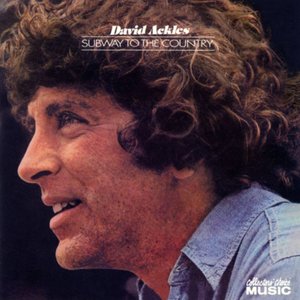
Subway To The Country
David Ackles →2,079 listeners13,050 plays
singer-songwriter1969costello 500folk70s
about this album
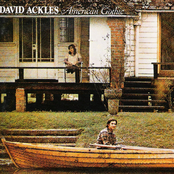
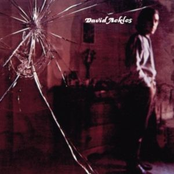
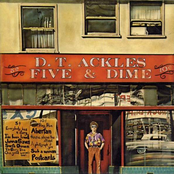
The late songwriter David Ackles used his third album to further separate himself from the California tunesmith Cosa Nostra. Ackles was always a horse of a different color anyway. While comparisons to Randy Newman are natural and, in places even valid, they fall short of the mark. Ackles' music is much darker, already deeply entrenched in the American Gothic his fourth album would be named after. While the post-Tin Pan Alley stylings of Newman are evident here, Ackles' inspiration is in the original texts and not his Cali counterparts. Other sides of Ackles come from John Stewart and the folk revival, and no less than Scott Walker's early work and Jacques Brel. Subway to the Country portends itself a rootsier record, but it is rooted only in the tradition of American song itself. From the bleak vaudevillian cabaret of "Main Street Saloon" to the shimmering string arrangements and chamber textures in "That's No Reason to Cry" to the surreal muted winds and brass in "Woman River," Ackles is like a Western Kurt Weill. His knowledge of song form and nuance is encyclopedic, and his command over his singing voice is total. He can rumble smooth, swinging blues in the lower register as he does on the latter track, or shift it into loopy swirls and theatrical splashes as he does on "Inmates of the Institution." The most beautiful track on the album, however, is the title track that closes the album. Full of muted tones and colors, the backing orchestra holds itself close to Fred Myrow