Loading details…
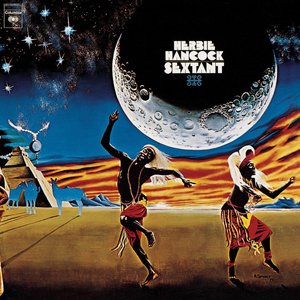
about this album
Herbie Hancock's Sextant, released on March 30, 1973, stands as an album that redefined the boundaries of jazz fusion. This groundbreaking work emerged during a transformative period in jazz history, when traditional acoustic instruments were being augmented by electronic innovations. As Hancock's eleventh studio album and the final recording with his Mwandishi-era sextet, it featured an exceptional lineup including saxophonist Bennie Maupin, whose bass clarinet work would later influence countless woodwind players; trumpeter Eddie Henderson, known for his pioneering use of electronic effects in jazz; and trombonist Julian Priester, whose textural approach helped shape the album's unique soundscape. When Herbie Hancock departed Warner Bros. in 1971, he had released three albums that, while musically sophisticated, failed to achieve widespread recognition. These albums - The Crossing (featuring the innovative use of electronic effects), Mwandishi (exploring African-influenced rhythmic patterns), and Fat Albert's Groove (a soundtrack that demonstrated his versatility) - represented an artist in transition. This period was particularly challenging as Hancock navigated between the traditional jazz world's expectations and his growing interest in electronic experimentation, influenced by his transformative experience in Miles Davis's groundbreaking electric bands of 1968-1970. During his tenure with Davis, Hancock had contributed to revolutionary albums like In a Silent Way and