Loading details…
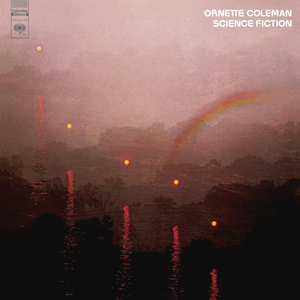
about this album
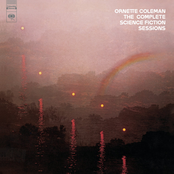
Ornette Coleman's first album for Columbia followed a stint on Blue Note that found the altoist in something of a holding pattern. Science Fiction was his creative rebirth, a stunningly inventive and appropriately alien-sounding blast of manic energy. Coleman pulls out all the stops, working with a variety of different lineups and cramming the record full of fresh ideas and memorable themes. Bassist Charlie Haden and drummers Billy Higgins and/or Ed Blackwell are absolutely indispensable to the overall effect, playing with a frightening, whirlwind intensity throughout. The catchiest numbers — including two songs with Indian vocalist Asha Puthli, which sound like pop hits from an alternate universe — have spacy, long-toned melodies that are knocked out of orbit by the rhythm section's churning chaos, which often creates a totally different pulse. Two tracks reunite Coleman's classic quartet of Haden, Higgins, and Don Cherry; "Street Woman" just wails, and "Civilization Day" is a furious, mind-blowing up-tempo burner. "Law Years" and "The Jungle Is a Skyscraper" feature a quintet with Haden, Blackwell, tenorist Dewey Redman, and trumpeter Bobby Bradford; both have racing, stop-start themes, and "Jungle"'s solos have some downright weird groaning effects. "Rock the Clock" foreshadows Coleman's '70s preoccupations, with Redman playing the musette (an Arabic double-reed instrument) and Haden amplifying his bass through a wah-wah pedal to produce sheets of distorted growls. The tit
why this is interesting
# Science Fiction This 1960 album marks Ornette Coleman's creative breakthrough, showcasing a musician unbound by conventional harmonic structures. Working across multiple lineups with bassist Charlie Haden and drummers Billy Higgins and Ed Blackwell, Coleman constructs compositions of startling inventiveness—pieces that sound genuinely unfamiliar while remaining deeply musical. What distinguishes the album is its restless energy: rather than settling into comfortable patterns, Coleman pursues bold melodic ideas with infectious urgency. The ensemble plays with remarkable telepathy, their frenetic interplay suggesting spontaneity while remaining meticulously crafted. For listeners curious about how jazz evolved beyond its bebop foundations, this album demonstrates