Loading details…
Album
Physical Graffiti
Led Zeppelin →576,667 listeners11,513,637 plays
hard rockclassic rock197570srock
about this album
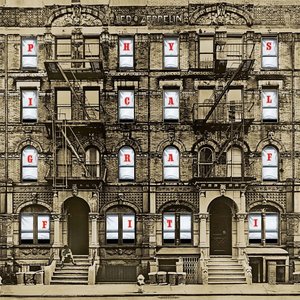
Physical Graffiti is the sixth album by the English rock band Led Zeppelin. It is a double album which was released on 24 February 1975. Recording sessions for the album were initially disrupted when John Paul Jones considered leaving the band. After reuniting at Headley Grange, the band wrote and recorded eight songs, the combined length of which stretched the album beyond the typical length of an LP. This prompted the band to make Physical Graffiti a double album by including previously unreleased tracks from earlier recording sessions. Physical Graffiti was commercially and critically successful; the album is 16 times platinum (though this only signifies sales of 8 million copies, as it is a double album) in the United States alone, and has come to be regarded as one of Led Zeppelin's defining works. In 2003, the album was ranked number 70 on Rolling Stone magazine's list of the 500 greatest albums of all time. The album was released on 24 February 1975, at a time when Led Zeppelin was undertaking its tenth concert tour of North America. Delays in the production of the album's sleeve design prevented its release prior to the commencement of the tour. Physical Graffiti was the band's first release on their own Swan Song Records label, which had been launched in May 1974. Until this point, all of Led Zeppelin's albums had been released on Atlantic Records. The album was a commercial and critical success, having built up a huge advance order, and when eventually released i
tracks
14:2025:44311:4844:0159:28610:2778:4784:5393:251011:54113:38124:09133:53141:48156:16
Custard Pie
Led Zeppelin
The Rover
Led Zeppelin
In My Time of Dying
Led Zeppelin
Houses of the Holy
Led Zeppelin
Trampled Under Foot
Led Zeppelin
Kashmir
Led Zeppelin
In the Light
Led Zeppelin
Bron-Yr-Aur
Led Zeppelin
Down by the Seaside
Led Zeppelin
Ten Years Gone
Led Zeppelin
Night Flight
Led Zeppelin
The Wanton Song
Led Zeppelin
Boogie With Stu
Led Zeppelin
Black Country Woman
Led Zeppelin
Sick Again
Led Zeppelin